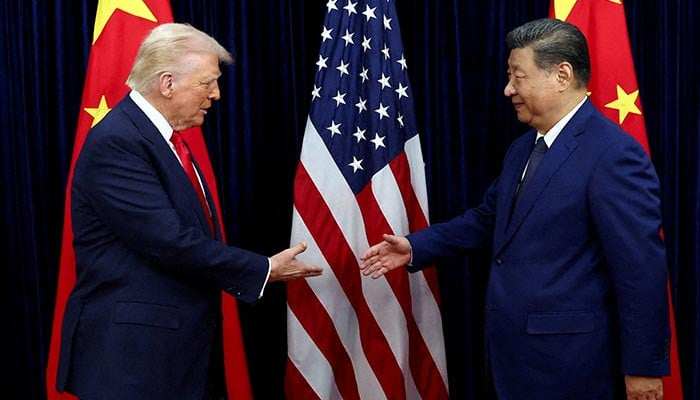
Tehran responded to Washington's proposal by calling for an end to all fronts of conflict, including Lebanon where Israel is fighting against Iran-backed Hezbollah. The Iranian response demanded compensation for war damage, affirmed its sovereignty over the Strait of Hormuz and called on the US to lift sanctions and remove a ban on oil sales. Trump described Tehran’s demands as "legitimate" but said they were not accepted. The standoff has led to disruptions in global oil markets, with Brent crude futures trading 2.7% higher at around $104 per barrel due to the near-closure of the Strait of Hormuz. Shipping through the strait is at a trickle, and sporadic flare-ups have tested a ceasefire that has paused all-out warfare since April. The US war in Iran remains unpopular with voters, who are facing sharply rising gasoline prices less than six months before nationwide elections. Washington's efforts to build international support for its position have been hindered by NATO allies' refusal to send ships without a full peace deal and an internationally mandated mission. In response to the conflict, Hakan Fidan, Turkey’s foreign minister, will hold talks in Qatar on Tuesday with Iran and mediators from Pakistan. Trump is expected to discuss Iran during his visit to Beijing, where China could potentially play a role in pushing for a peaceful resolution. Despite Trump's comments that combat operations against Iran are "defeated," Israeli Prime Minister Benjamin Netanyahu has stated the war is not over, as more work needs to be done to address Iran’s nuclear program and proxy forces. Clashes continue between Israel and Hezbollah in southern Lebanon despite a ceasefire announced on April 16.
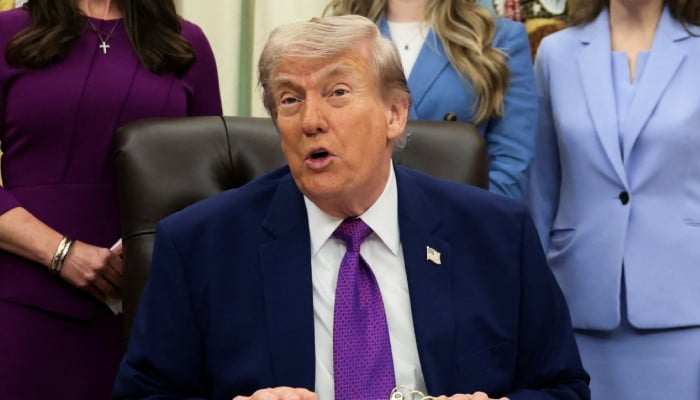
US President Donald Trump has dismissed Iran's proposal as "stupid," saying he didn't even finish reading it after rejecting Tehran’s response to a US peace initiative aimed at reopening negotiations over the ongoing conflict. Trump characterized the ceasefire with Iran, which had been brokered through Pakistan, as now on "massive life support" and warned of potential resumption of hostilities in the 10-week-old war that has claimed thousands of lives.
Listen to This Article
AI Voice
Click play to listen