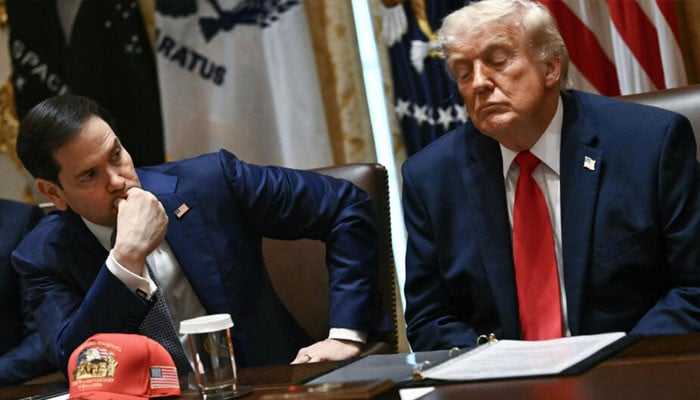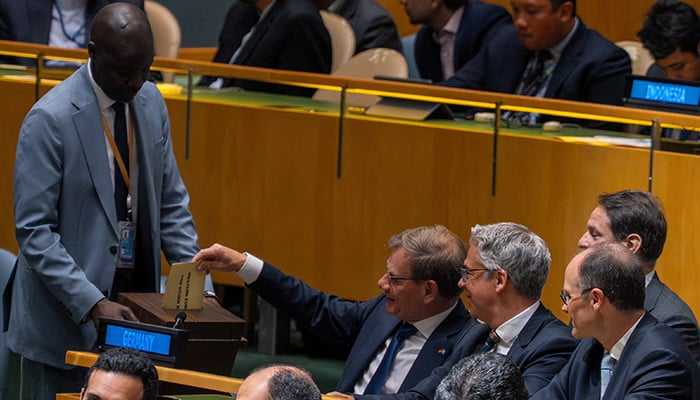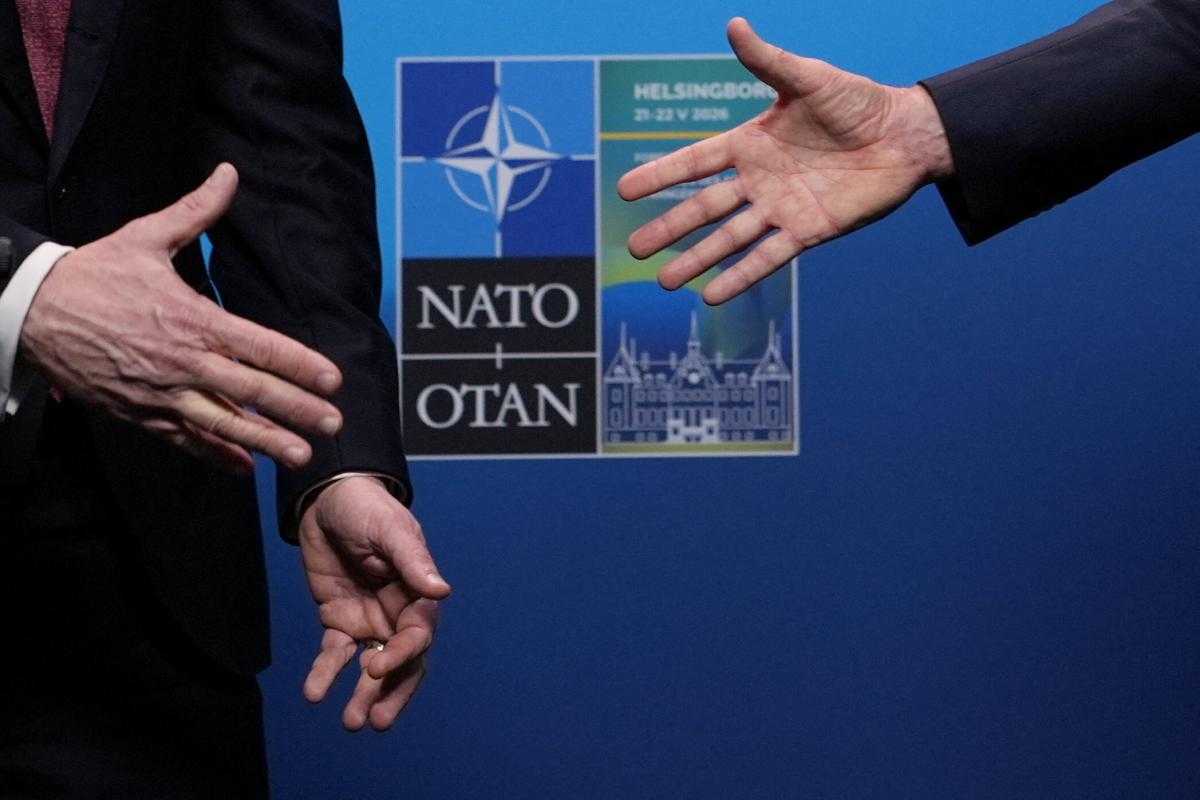
Explore how the current tensions between Washington and Europe might either strengthen their alliance or lead to lasting divisions.
The ongoing crisis between Washington and Europe is far from just a passing disagreement; it could be a crucible that either unites these long-standing allies or drives them apart. The tension, rooted in various issues including trade policies, defense spending, and climate change, has reached a boiling point, prompting both sides to reassess their relationships.
On one hand, the crisis presents an opportunity for Europe and the United States to reevaluate their shared values and interests. This could lead to deeper cooperation on critical global challenges such as security and economic stability. European leaders have increasingly called for greater autonomy in areas like defense and trade, which might now be seen as a necessity rather than a threat.
However, the crisis also risks exacerbating existing divisions. The transatlantic alliance has faced numerous tests over the years, but this one feels particularly acute due to the scale of the issues at stake. Some argue that the current tensions could lead to a permanent shift in power dynamics, with Europe seeking more independence from American influence.
Ultimately, how this crisis is managed will shape the future of the transatlantic relationship. As both sides navigate these complex challenges, it remains to be seen whether they can find common ground or if the divide will deepen into a lasting rift. The outcome could have far-reaching implications for global politics and economics in years to come.