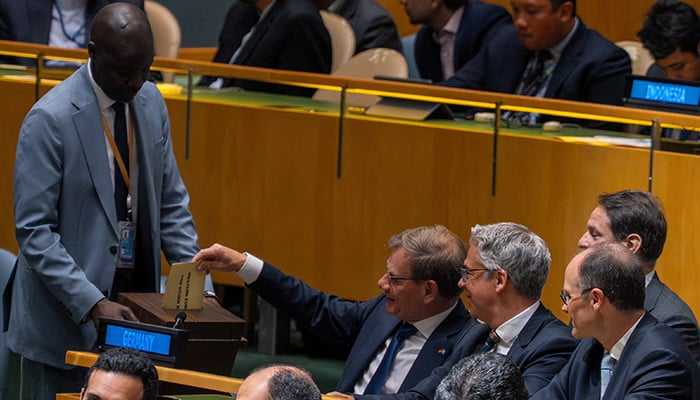
Germany narrowly missed out on a seat in the UN Security Council as five new members were elected during the recent vote.
On June 3, 2026, at United Nations headquarters in New York City, the election of non-permanent members of the UN Security Council concluded. Five countries emerged victorious, securing their positions for the next two years: Portugal, Austria, Ireland, Chile, and Peru. Germany, despite a robust campaign, failed to secure one of these coveted seats.
The voting process was intense and closely watched by diplomats from around the world. The election saw 193 UN member states casting ballots, with each country having only one vote. The five winners received more than two-thirds of the votes required for election, while Germany garnered a respectable number but fell short of the necessary threshold.
Portugal's successful bid was seen as a significant victory for its diplomatic efforts and regional influence. Austria, known for its commitment to peacekeeping and human rights, also secured a seat. Ireland, with its strong support for international law and disarmament, joined the council. Chile, recognized for its role in promoting sustainable development, and Peru, which has been active in conflict resolution, rounded out the new members.
Germany's campaign focused on issues such as climate change, global health security, and multilateralism. The country had hoped to leverage its experience and influence to shape the Security Council’s agenda. However, the final tally showed that while Germany received substantial support, it did not meet the required majority.
The election results reflect a dynamic and competitive landscape within the UN Security Council. As new members take their seats, they will bring fresh perspectives and priorities to the table, potentially reshaping the council's approach to global challenges.