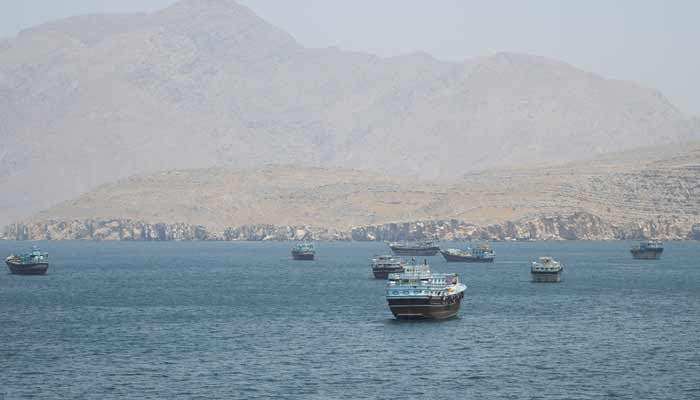
Vessels in the Strait of Hormuz are under a chokehold for months due to Iran's blockade, which has disrupted trade critical for farmers around the world. The head of a UN task force aimed at averting a looming humanitarian crisis told AFP that tens of millions could face hunger and starvation if fertilisers are not soon allowed through. The United Nations Office for Project Services (UNOPS) executive director Jorge Moreira da Silva said, "We have a few weeks ahead of us to prevent what will likely be a massive humanitarian crisis." He added, "We may witness a crisis that will force 45 million more people into hunger and starvation." Created in March, the task force led by Moreira da Silva has been working to convince belligerent parties to allow even a few ships through. The UN official met with over 100 countries for support but noted that key players like the United States, Iran, and Gulf producers are not yet fully on board. The ultimate hope is for a lasting peace deal in the region and "freedom of navigation for all commodities" through the strait, Moreira da Silva said. However, he stressed, "the problem is the planting season can't wait." Countries in Africa and Asia are particularly at risk as some end their planting seasons within weeks. While food prices have not yet exploded, there has been a "massive increase" in fertiliser costs, experts say, which would likely lead to a drop in agriculture productivity and send food prices soaring. Moreira da Silva said moving just an average of five vessels a day through the strait could head off the crisis for farmers. "The problem is urgency," he added. "We can't procrastinate on what is possible to do, and what is urgent to do - which is let the fertilisers cross the strait and, through that, minimise the risk of massive food insecurity at the global level."
 The Herald Today
Pakistan's Premier News Source