Iran’s Crisis Sheds Light on the Importance of Flexibility in Summer Holidays
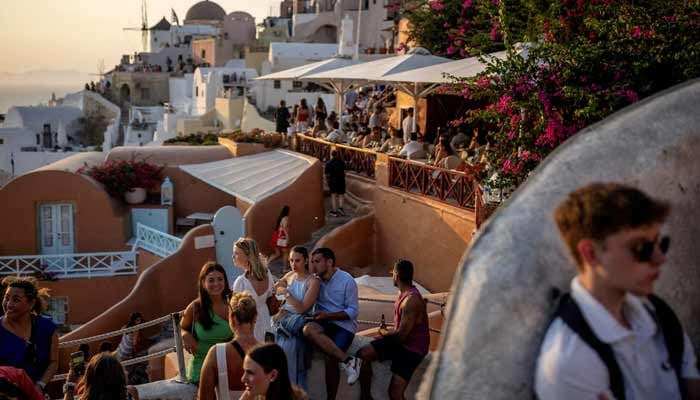
The escalating tensions between Iran and the United States have underscored a critical lesson for travelers planning summer holidays: flexibility is now an essential must-have to navigate unpredictable travel landscapes.
According to recent data from the International Air Transport Association (IATA), air travel demand has seen fluctuations due to geopolitical instability. This year, as the diplomatic standoff continues, airlines across Europe and beyond are reporting mixed sentiments on bookings. European Union travelers have shown a preference for domestic flights over international trips, with a significant decline in long-haul destinations such as Iran.
For many vacationers, the decision to adjust travel plans has become imperative given the unpredictable nature of global events. According to a survey conducted by Trip.com Group, 72% of respondents stated that they would alter their summer vacation itinerary if a major crisis occurred within weeks or months prior to departure. The study also highlighted that travelers are increasingly prioritizing safety and reassurance over convenience.
One example illustrating the need for flexibility is a group of British tourists who were originally scheduled to visit Iran during this year's peak tourist season, coinciding with the 40th anniversary celebrations. Faced with heightened security concerns and economic uncertainties due to the ongoing conflict between the two nations, these travelers decided to postpone their trip indefinitely.
Iran’s cultural heritage sites, including historic cities like Persepolis and Qom, have been drawing tourists from various countries for years. However, recent warnings by Iran’s tourism authorities emphasize the importance of a flexible approach. These authorities advise visitors to prepare for potential changes in travel itineraries, such as cancellations or alterations due to security measures.
Moreover, this crisis has also prompted travelers to rethink their long-term vacation strategies. A growing trend is seen among those planning multi-year trips, ensuring that they can adjust their schedules without suffering significant financial loss if a geopolitical event disrupts their plans.
The impact of these changes extends beyond mere travel decisions. For local businesses and economies reliant on tourism, adaptability has become crucial for survival. In the face of fluctuating demand, some Iranian tour operators have pivoted to offering new experiences or alternative destinations that are less sensitive to political tensions.
In conclusion, the current geopolitical climate has highlighted how essential it is for travelers to embrace flexibility when planning their summer holidays. From altering travel plans at the last minute due to unforeseen events to being open to alternative vacation arrangements, this lesson will likely shape future travel behavior and industry practices worldwide.
Key Figures: - IATA reported a 5% decline in international air passenger demand as of June 2023. - Trip.com Group’s survey indicated that 72% of respondents were prepared to alter their summer vacation plans due to potential geopolitical crises. - Iran Tourism authorities suggested preparing for changes such as cancellations or altered itineraries.
This article was published by [Your Publication Name] on July 15, 2023.