SpaceX's recent IPO and Starship rocket test flight provide insights into the future of reusable space technology, potentially disappointing both supporters and detractors.
SpaceX's recent Initial Public Offering (IPO) and the successful test flight of its Starship rocket have provided two significant data points that offer a realistic vision for the company’s near-term future. These events, however, may not entirely satisfy either SpaceX's enthusiastic backers or its more skeptical observers.
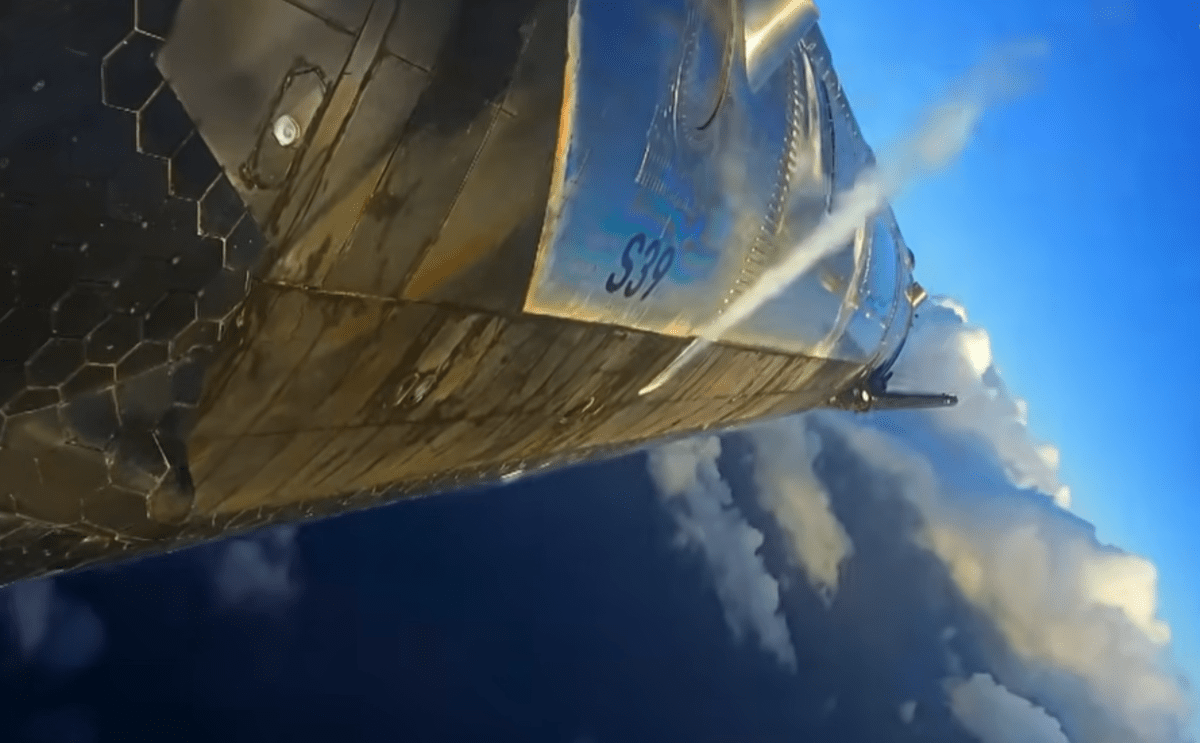
The IPO has brought much-needed financial resources to SpaceX, positioning it as a formidable player in the space industry. This influx of capital is crucial for the development and deployment of Starship, which aims to revolutionize space travel through reusable technology. However, the recent S-1 test flight, while promising, also revealed some limitations that could cast doubt on the timeline for achieving full reusability.
During the test, several issues were observed, including a landing failure that resulted in significant damage to the rocket. This setback highlights the challenges SpaceX faces in perfecting its reusable technology. While these problems are not uncommon during development phases, they do raise questions about the company's ability to meet its ambitious goals within the projected time frame.
Supporters of SpaceX have long championed the potential of Starship for making space travel more accessible and cost-effective. The test flight was seen as a critical step towards realizing this vision. However, the landing failure has dampened some of these hopes, leading to concerns about the reliability and efficiency of the system. Critics, on the other hand, have always been wary of SpaceX's claims, viewing them with skepticism. This recent setback could further fuel their doubts.
The implications extend beyond just Starship. The success or failure of this technology will significantly impact the broader space industry. If SpaceX can overcome these challenges and achieve full reusability, it could set a new standard for future spacecraft designs. Conversely, if the issues persist, it may lead to delays and increased costs, potentially altering the competitive landscape.
In conclusion, while the recent developments at SpaceX are undoubtedly significant, they also highlight the complex road ahead in realizing fully reusable space technology. The coming years will be crucial as SpaceX continues to refine its systems and overcome the technical hurdles that lie ahead.