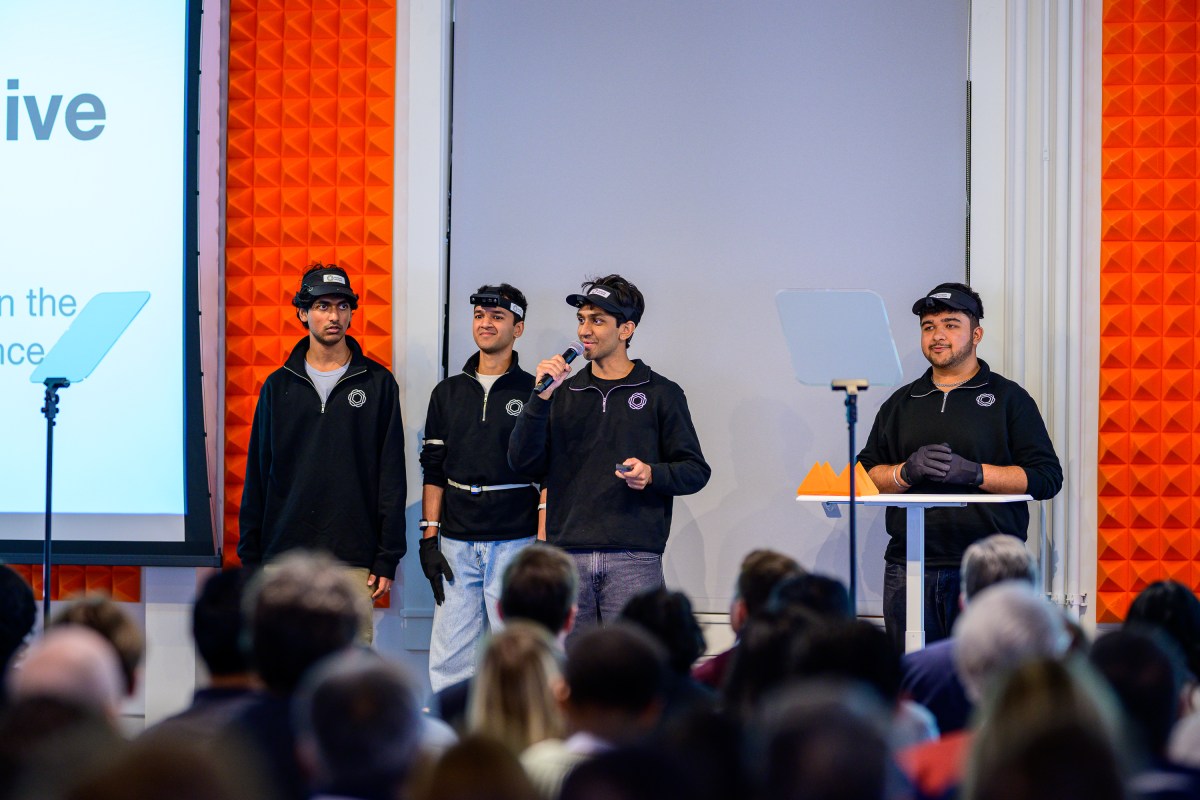
Human Archive, founded by Berkeley and Stanford researchers, is using Indian gig workers to gather real-world training data for AI and robotics.
Human Archive, a startup co-founded by researchers from prestigious institutions like Berkeley and Stanford, has embarked on an innovative project. The company is leveraging India's vast gig economy by employing workers who wear camera-equipped caps and sensor devices. These tools are used to collect crucial physical training data that is in high demand among AI and robotics laboratories around the world.
The initiative aims to bridge the gap between theoretical research and practical application. By tapping into the diverse skill sets of Indian gig workers, Human Archive hopes to gather a wide array of real-world data points that can significantly enhance the capabilities of artificial intelligence systems and robotic technologies. This approach not only democratizes access to cutting-edge training data but also positions India as a key player in the global tech landscape.
The project's success hinges on the ability to accurately capture human movements, actions, and interactions through these wearable devices. These data points are essential for developing more sophisticated and adaptable AI systems that can perform complex tasks in various environments. By investing in this ground-level data collection, Human Archive is setting a precedent for how gig economies can contribute meaningfully to technological advancements.
This venture underscores the growing importance of real-world training data in the development of advanced technologies. As AI and robotics continue to evolve, the quality and diversity of training datasets will play a critical role in determining their effectiveness. Human Archive's approach could potentially revolutionize the way such data is collected, making it more accessible and comprehensive for researchers and developers worldwide.