UN World Food Programme warns rising hunger and malnutrition are pushing mothers and children in Afghanistan to the brink amid shrinking aid and mass returns from neighboring countries.
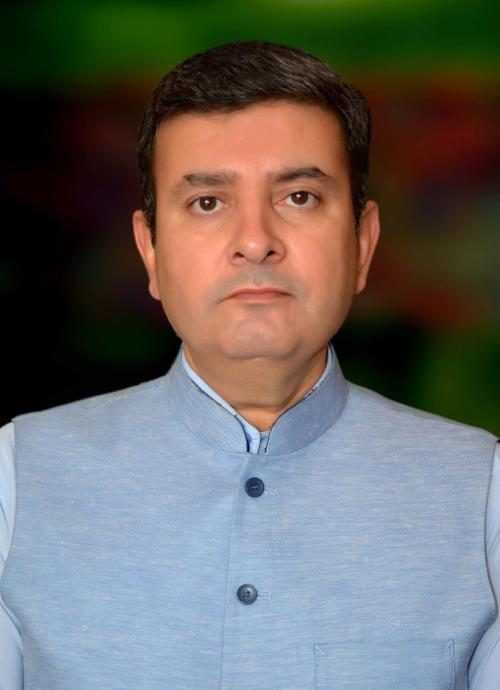
Afghanistan's deepening malnutrition crisis is pushing mothers and children to the edge, according to a recent warning from the UN World Food Programme (WFP). WFP Deputy Executive Director Carl Skau expressed alarm during a visit to the country, highlighting how over 5 million Afghan women and children are already suffering from near-record levels of malnutrition.
Skau shared his observations at a clinic in Hisar Shahi camp where he met families who had traveled for hours seeking assistance but were turned away due to lack of nutritious supplements. "What I saw in eastern Afghanistan is happening across the country, and it's heartbreaking," Skau said. The closure of borders with Pakistan, repeated natural disasters like floods and earthquakes, and a decline in humanitarian funding have exacerbated these conditions.
Amidst these pressures, an additional 500,000 people returned from neighboring countries this year, adding to the nearly 2.8 million who had already fled earlier. These returning families are struggling to find shelter, food, and safety within their own communities. Skau emphasized that vulnerable populations crossing borders need urgent support.
WFP has been working hard to open new supply corridors targeting the most vulnerable people while collaborating with other UN agencies and partners. However, without immediate donor support and expedited clearance of humanitarian supplies, these efforts will fall short in preventing a potential humanitarian disaster for millions of mothers and children, Skau warned.
The worsening crisis is not just about food; it also raises broader concerns over human rights and press freedoms. The de facto Taliban authorities have detained at least three journalists this week on unspecified charges. UNAMA expressed serious concern over these detentions, urging clarification of legal basis and respect for due process.
A free, independent, and safe press is crucial for transparency, accountability, and the well-being of Afghan society, according to UNAMA. These incidents highlight ongoing challenges in ensuring freedom of expression and media independence in Afghanistan.
The WFP urgently needs $350 million over the next six months to fund its life-saving operations in Afghanistan. Addressing these critical humanitarian needs is essential for stabilizing the country and protecting vulnerable populations from further suffering.