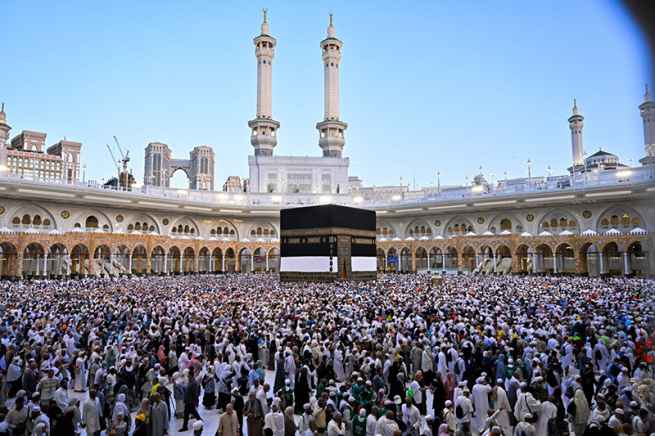
Thousands of Hajj pilgrims perform Tawaf Al-Ifadah around the Holy Kaaba, marking the second day of Eid Al-Azha in a spiritual atmosphere.
Pilgrims completed their Tawaf Al-Ifadah around the Holy Kaaba after performing Fajr prayers on the second day of Eid Al-Azha during Hajj 1447 AH. This ritual follows the stoning of the devil at Mina, an essential part of the pilgrimage.
The atmosphere was filled with devotion and spiritual fervor as thousands of pilgrims moved in unison, chanting "Labbaik Allahumma Labbaik." The sense of unity and shared purpose among the faithful was palpable. Many wore traditional white garments, symbolizing purity and equality before God.
This day marks a significant milestone for those undertaking the Hajj journey, as they continue to fulfill their religious obligations in Mecca. The rituals are not only physically demanding but also deeply emotional, providing pilgrims with an opportunity to seek forgiveness and draw closer to Allah.
The spiritual significance of these actions is underscored by the historical context of the rituals, which trace back to Prophet Ibrahim's trials and his submission to God’s will. As the pilgrims move through the sacred site, their prayers and chants resonate, creating a powerful and moving scene that highlights the enduring importance of this religious observance.
The continued performance of these rituals reflects the dedication and commitment of the pilgrims, who journey from around the world to fulfill one of Islam's most important obligations. Their collective efforts in maintaining the traditions of Hajj serve as a reminder of the shared beliefs and values that unite Muslims globally.