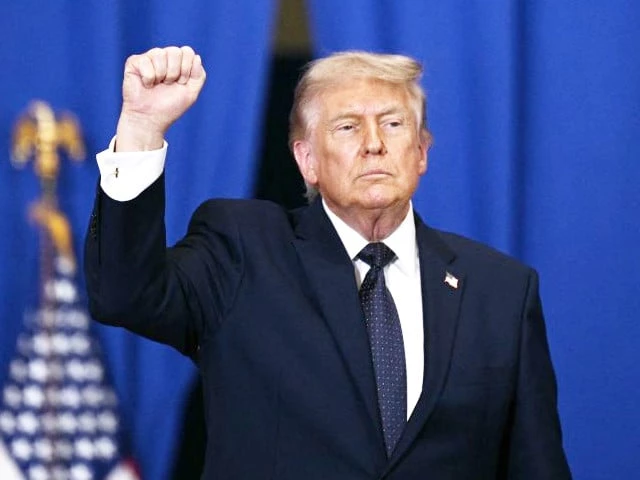
US President Donald Trump tempers expectations of an imminent agreement with Iran, emphasizing a measured approach to negotiations amid ongoing maritime tensions.
US President Donald Trump has slowed down the push for an immediate deal with Iran, instructing American negotiators not to rush into any agreement. In a post on Truth Social, Trump while negotiations were proceeding in an "orderly and constructive manner," time was on their side. He also reaffirmed the US naval blockade imposed on Iranian ports and shipping routes would remain until a final agreement is reached.
Contradicting earlier statements from senior US officials suggesting a potential breakthrough to end the three-month Middle East conflict, Trump's cautious stance comes as negotiations continue. The United States and Iran have observed a fragile ceasefire since April 8 following weeks of conflict that began after US-Israeli attacks on Iran on February 28. This confrontation disrupted maritime traffic through the Strait of Hormuz, prompting Washington to impose a blockade on Iranian ports.
Despite Trump's cautious tone, signs of diplomatic progress continue from Tehran. Iranian Foreign Ministry spokesman Esmail Baqaei Tehran and Washington were moving closer to a memorandum of understanding composed of 14 clauses, focusing primarily on ending the war, lifting the naval blockade, and securing the release of Iranian assets frozen abroad under sanctions.
Iranian President Masoud Pezeshkian Tehran remained prepared to assure the world it was not seeking nuclear weapons. However, detailed negotiations over uranium enrichment and Iran's nuclear programme would likely continue for at least 60 days after any preliminary agreement.
The evolving diplomacy has triggered mixed reactions in Washington. Several Republican lawmakers aligned with Trump expressed concern that the administration might concede too much ground to Tehran. They warned that a prolonged ceasefire could undermine military gains achieved during the conflict. Meanwhile, regional diplomacy intensified as leaders from Saudi Arabia, Qatar, Turkiye, Egypt, the United Arab Emirates, Bahrain, Jordan, and Pakistan joined a telephone call with Trump to discuss ongoing negotiations and broader regional stability.
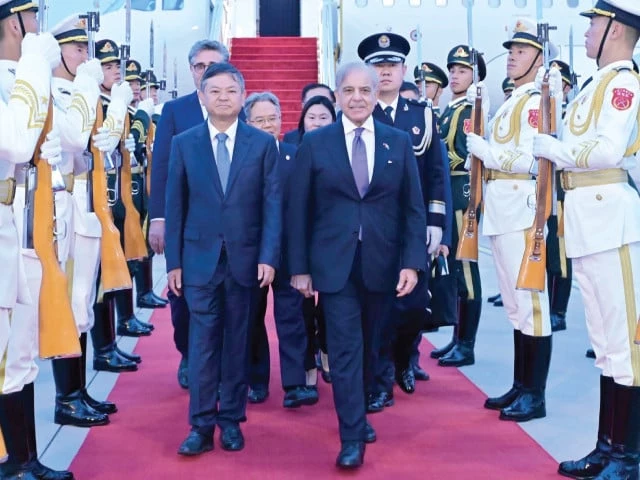
Prime Minister Shehbaz Sharif of Pakistan said his country hoped to host the next round of US-Iran talks "very soon." Field Marshal Syed Asim Munir represented Pakistan during the call after concluding what officials described as a "short but highly productive" visit to Tehran. The prime minister praised President Trump's "extraordinary" efforts to pursue peace and said discussions among regional leaders had provided an opportunity to move peace initiatives forward toward "lasting peace in the region."
Iranian officials acknowledged Pakistan's role in facilitating communication between Tehran and Washington, with Baqaei saying that the Pakistani delegation's visit was part of continued message exchanges. Despite this diplomatic momentum, tensions remained visible on the ground. In a rare public appearance broadcast by Iranian state media, Ali Abdollahi, head of Iran's central military command, the country remained on a "war footing" and its armed forces were fully prepared to confront any threat.
Shipping traffic through the Strait of Hormuz also remained significantly below normal levels. Iran's Revolutionary Guards reported only 33 vessels had passed through the strait during the previous 24 hours, compared with roughly 140 ships daily before the conflict erupted.