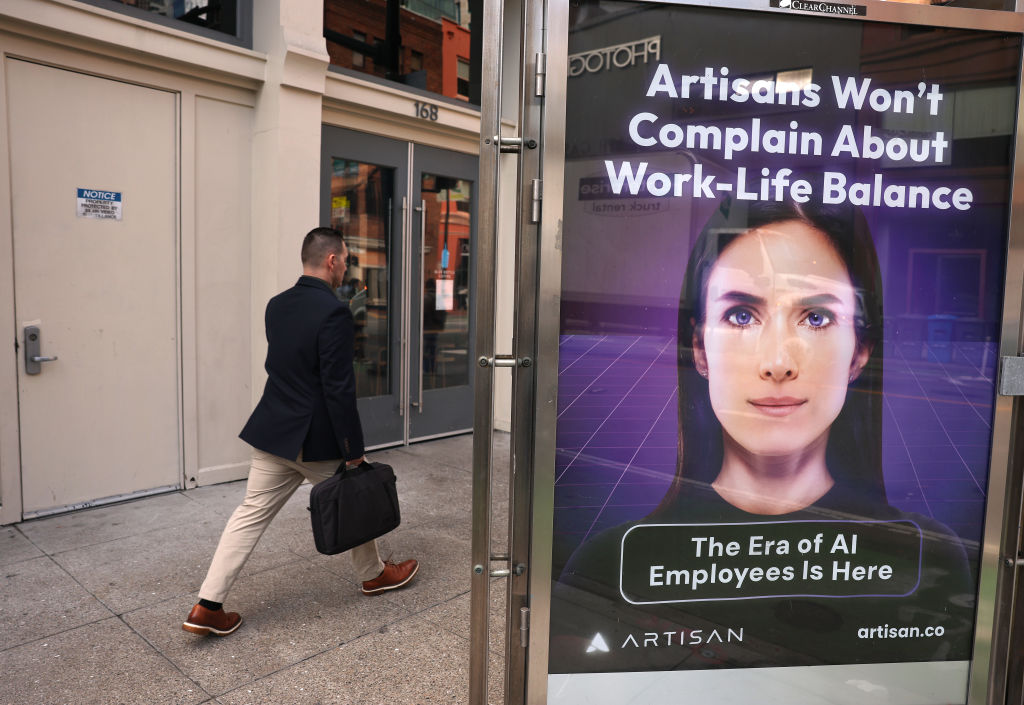
The creator of the popular "This is fine" meme, KC Green, has reached an agreement with AI startup Artisan. This development comes after the startup had been using Green's work in their advertisements without permission. The meme, which features a cartoon dog sitting in a burning room with a cup of coffee, has become a cultural phenomenon and is often used to express a sense of resignation or acceptance in the face of chaos.
As a result of the agreement, Artisan has taken down the ads that featured Green's "This is fine" meme. This move is seen as a victory for the artist, who had been seeking to protect his intellectual property and ensure that his work is not used without his consent. The agreement highlights the importance of respecting the rights of creators and the need for companies to obtain permission before using copyrighted material.
The use of Green's meme in Artisan's ads had sparked controversy, with many fans of the artist expressing outrage on social media. The incident had also raised questions about the use of copyrighted material in advertising and the need for greater transparency and accountability in the industry. By reaching an agreement with Green, Artisan has demonstrated a commitment to respecting the rights of creators and avoiding similar disputes in the future.
The resolution of this dispute is also a reminder of the power of social media in bringing attention to issues related to copyright and intellectual property. The widespread use of Green's meme has made it a cultural touchstone, and the controversy surrounding its use in Artisan's ads has highlighted the need for companies to be mindful of the rights of creators. As the use of AI-generated content continues to grow, it is likely that we will see more disputes over copyright and intellectual property in the future.
In the end, the agreement between KC Green and Artisan is a positive development that recognizes the value of the artist's work and the importance of respecting his rights as a creator. It is a reminder that even in the digital age, copyright and intellectual property laws are still essential for protecting the interests of artists and ensuring that they are fairly compensated for their work.