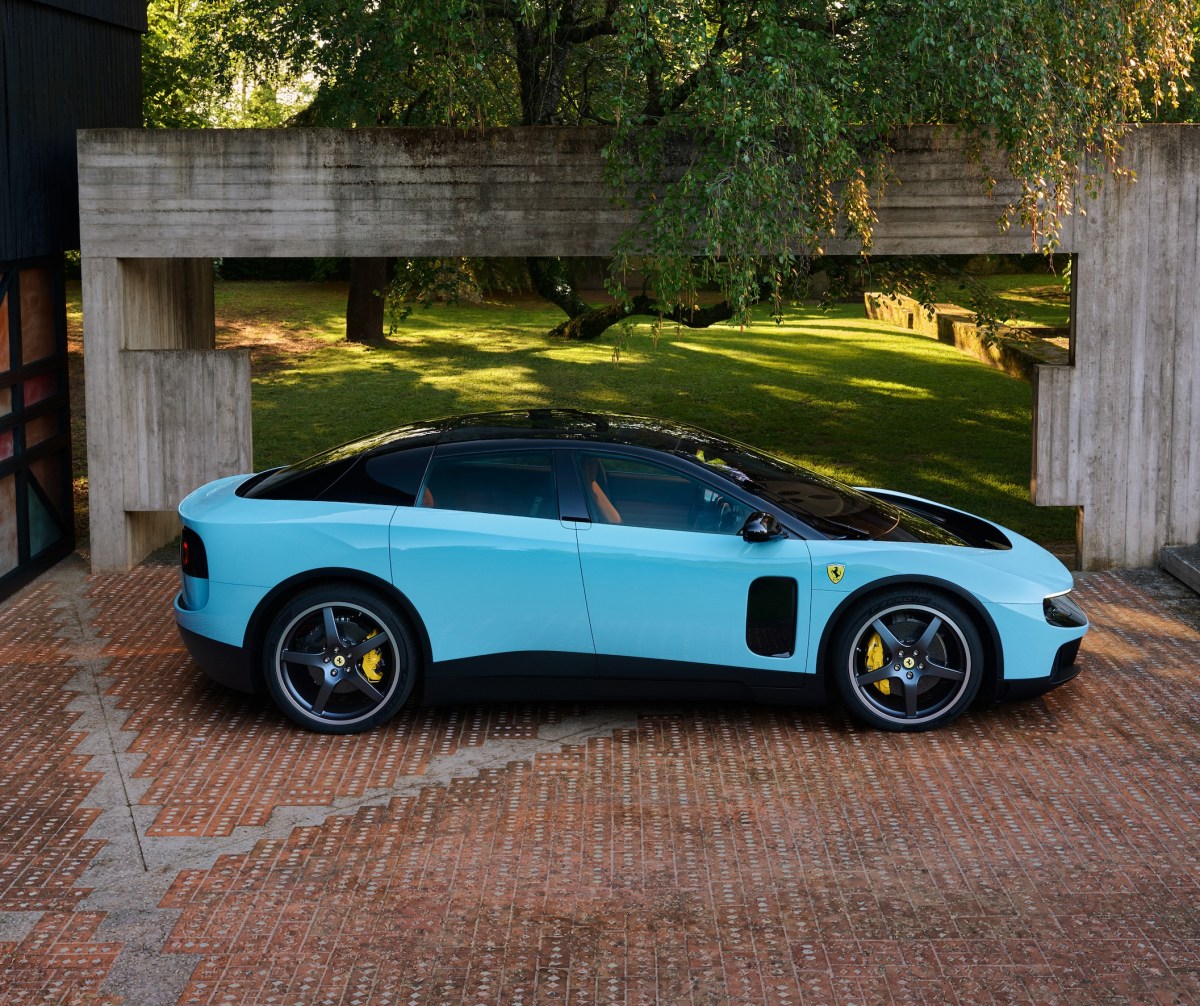
Explore why the future of transportation, despite public backlash, continues to embrace cutting-edge technology like AI in vehicles.
In today's rapidly evolving landscape of transportation, one brand stands out as a beacon of innovation—Ferrari. Despite widespread criticism over its latest venture, the Luce, the Italian luxury carmaker is pushing ahead with integrating advanced technologies such as artificial intelligence (AI) into their vehicles. This move underscores a broader trend where tech advancements are reshaping the automotive industry, often at the expense of traditional preferences.
The Ferrari Luce has faced significant opposition from consumers and critics alike. Many argue that its futuristic design and reliance on AI systems detract from the brand's heritage and core values. However, Ferrari remains undeterred, focusing instead on how these technological integrations can enhance driving experiences in ways previously unimaginable. The company believes that AI can offer personalized assistance, optimize performance, and even contribute to safer journeys.
This commitment to innovation is not unique to Ferrari. Across the globe, major automakers are increasingly adopting AI technologies to transform traditional vehicles into smart, interconnected machines. From autonomous driving features to predictive maintenance systems, these advancements promise to revolutionize how we perceive and interact with our cars. While some consumers may resist change, industry experts predict that as technology improves and becomes more user-friendly, public perception will shift.
The integration of AI in transportation is also being driven by the urgent need for sustainable solutions. Electric vehicles (EVs) paired with smart technologies can significantly reduce carbon emissions and improve overall efficiency. As governments worldwide implement stricter regulations on vehicle emissions, companies like Ferrari are exploring how to meet these demands while maintaining their market position.
In conclusion, whether people love or hate the Ferrari Luce, it is clear that AI and other technological advancements will continue to play a pivotal role in shaping the future of transportation. As innovation accelerates, traditional automotive brands must adapt or risk being left behind. The challenge lies not only in developing these technologies but also in educating consumers about their benefits and addressing concerns to ensure widespread acceptance.