Type 1 diabetes is a chronic autoimmune condition where the immune system mistakenly targets and destroys the cells in the pancreas responsible for producing insulin, a vital hormone that regulates blood sugar levels. This results in a lifelong dependence on insulin therapy to control blood sugar levels. The condition is characterized by the immune system's attack on the islets of Langerhans, specific areas within the pancreas where insulin-producing cells are located.
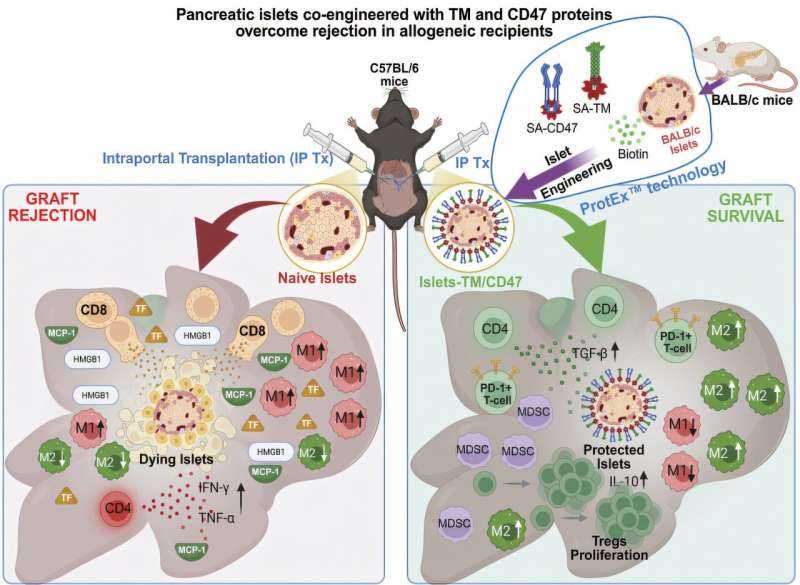
The destruction of these cells leads to a significant reduction in insulin production, making it essential for individuals with type 1 diabetes to rely on external insulin sources to maintain normal blood sugar levels. Researchers have been exploring various treatment options to address this condition, including the transplantation of healthy islet cells into the pancreas. However, this approach is often hindered by the immune system's tendency to reject the transplanted cells, recognizing them as foreign entities.
To overcome this challenge, patients who undergo islet transplantation typically need to take immunosuppressive medication to suppress the immune system's response and prevent the rejection of the transplanted cells. While this approach can be effective in restoring insulin production, it also increases the risk of infections and other complications associated with a weakened immune system. As a result, researchers are now focusing on developing innovative treatments that can retrain the immune system to tolerate the transplanted cells, rather than relying solely on immunosuppressive medication.
One of the primary goals of these emerging treatments is to induce immune tolerance, allowing the transplanted islet cells to function normally without being attacked by the immune system. This can be achieved through various strategies, including the use of immunomodulatory therapies that can reprogram the immune system to recognize the transplanted cells as self, rather than foreign. By retraining the immune system in this way, researchers hope to develop more effective and sustainable treatments for type 1 diabetes, ultimately improving the quality of life for individuals living with this condition.