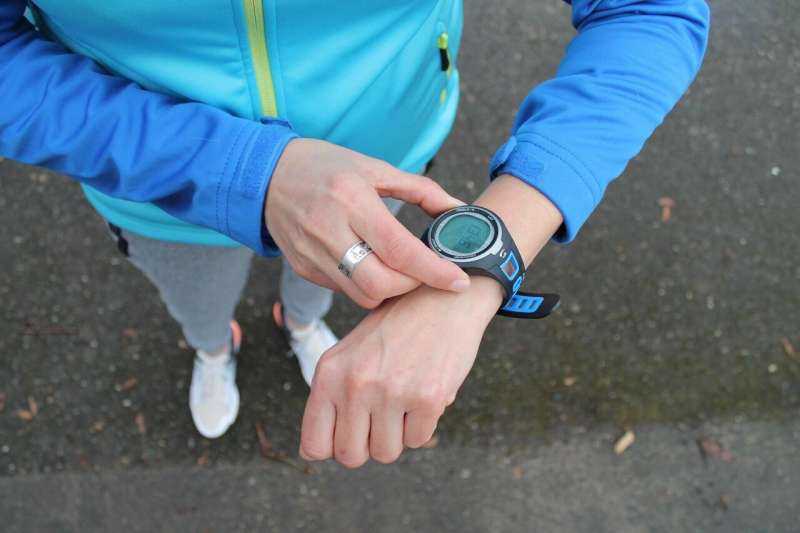
Researchers have developed a new wearable motion-tracking system that improves the accuracy of fitness trackers, ensuring better alignment with lab-tested exercise measurements.
Researchers from [University/Institution Name] have made significant strides in enhancing the accuracy of fitness trackers. The team has developed an advanced wearable motion-tracking system that incorporates real-time calibration techniques to ensure more precise monitoring of exercise and training activities. This innovative approach is detailed in a recent article published in the International Journal of Data Mining and Bioinformatics.
Traditionally, fitness trackers have faced challenges in accurately measuring physical activity due to variations in sensor technology and environmental factors. However, the new system addresses these issues by continuously adjusting its readings based on real-time data. This ensures that the device's measurements more closely align with those obtained through laboratory testing, which is crucial for athletes and health professionals.
The researchers conducted extensive tests comparing their enhanced tracker against conventional devices and lab-based measurement tools. Their findings revealed a marked improvement in accuracy, particularly during high-intensity activities such as sprinting or weightlifting. This breakthrough could have significant implications for various fields, including sports science, rehabilitation, and personal fitness monitoring.
By integrating real-time calibration, the new system can adapt to changes in user movements and environmental conditions, providing more reliable data. This advancement not only enhances the overall user experience but also supports more accurate performance analysis and injury prevention strategies. As wearable technology continues to grow in popularity, this innovation could set a new standard for fitness tracking devices.
In conclusion, the development of real-time calibrated wearable motion-tracking systems represents a significant step forward in improving the accuracy of fitness trackers. This breakthrough not only benefits individual users but also has broader applications in sports science and health monitoring, paving the way for more precise and reliable data collection methods.