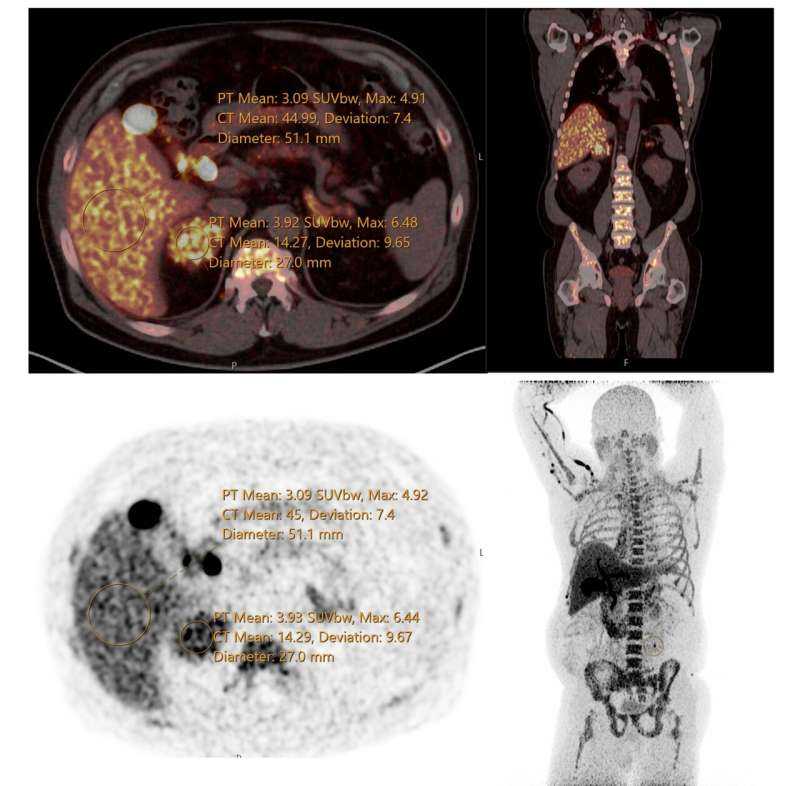
A new first-in-human study validates a PET radiotracer that can image overactive adrenal glands, providing an alternative to invasive procedures for diagnosing primary aldosteronism.
A groundbreaking first-in-human study has validated the use of a positron emission tomography (PET) radiotracer in imaging overactive adrenal glands. This innovative approach could revolutionize the diagnosis and treatment planning process for patients with primary aldosteronism, potentially replacing the current invasive procedures used to diagnose this condition.
Presented at the Society of Nuclear Medicine and Molecular Imaging 2026 Annual Meeting (SNMMI 2026) in Los Angeles from May 30 to June 2, the study highlights a significant advancement in non-invasive diagnostics. Primary aldosteronism is a condition characterized by excessive production of the hormone aldosterone, which can lead to high blood pressure and other health issues. The current diagnostic methods involve invasive procedures such as adrenal vein sampling, which can be risky and uncomfortable for patients.
The new radiotracer allows physicians to visualize overactive adrenal glands in real-time, enabling them to tailor treatment plans more effectively without the need for invasive interventions. This non-invasive approach not only reduces patient discomfort but also minimizes potential complications associated with traditional diagnostic methods.
By providing a clearer picture of the adrenal glands' activity, this radiotracer could lead to improved outcomes and better management strategies for primary aldosteronism patients. As research continues to advance in this field, the hope is that more precise and less invasive tools will become available, ultimately benefiting a wider range of patients.