The American Cancer Society's 2018 decision to lower the recommended age for average-risk colorectal cancer screening from 50 to 45 was largely driven by the growing incidence of the disease in people under age 50. This shift in guidelines reflects a concerning trend, as colorectal cancer cases are increasingly being diagnosed in younger adults. As a result, there is a growing need for effective and accessible screening methods to detect the disease in its early stages.
Colorectal cancer screening is no longer limited to colonoscopy, as other options have emerged to provide individuals with a range of choices. Poop tests, also known as stool tests, have become a popular alternative to colonoscopy, as they are non-invasive and can be completed in the comfort of one's own home. These tests typically involve collecting a stool sample and sending it to a laboratory for analysis, where it is checked for signs of cancer or precancerous polyps.
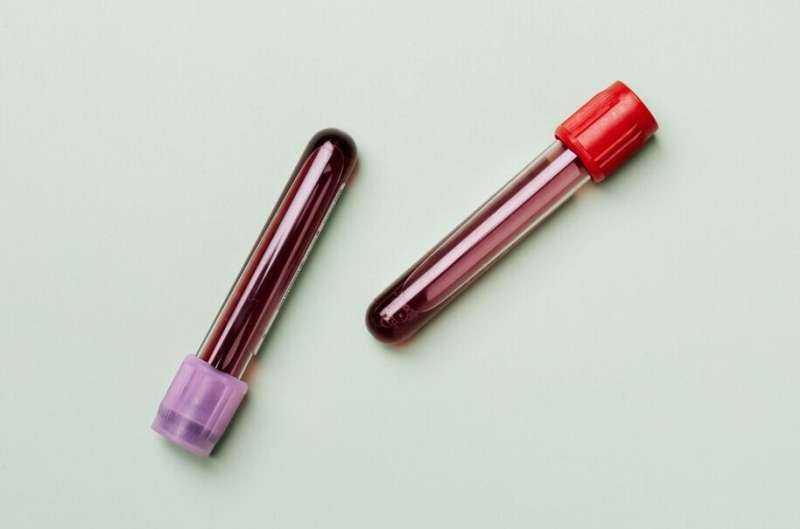
In addition to poop tests, blood tests have also become a viable option for colorectal cancer screening. These tests can detect biomarkers in the blood that may indicate the presence of cancer, providing an early warning sign for individuals who may be at risk. While blood tests are not yet widely used for colorectal cancer screening, they hold promise as a potential tool for detecting the disease in its early stages.
The expansion of colorectal cancer screening options is a positive development, particularly for younger adults who may be at increased risk of developing the disease. By providing individuals with a range of choices, healthcare providers can help ensure that more people are screened and that cases are detected earlier, when treatment is more effective. As the incidence of colorectal cancer continues to rise among younger adults, it is essential that awareness and education about screening options are prioritized, and that individuals take an active role in maintaining their health and wellbeing.