A new study from George Washington University reveals surprising similarities and subtle differences in how autistic and non-autistic individuals learn about each other's preferences, shedding light on their unique communication strategies.
A recent study conducted by researchers at the George Washington University has provided fresh insights into the learning dynamics between autistic and non-autistic people. The findings suggest that both groups employ similar methods to understand one another’s preferences, but with notable differences that could enhance our understanding of social interactions among peers.
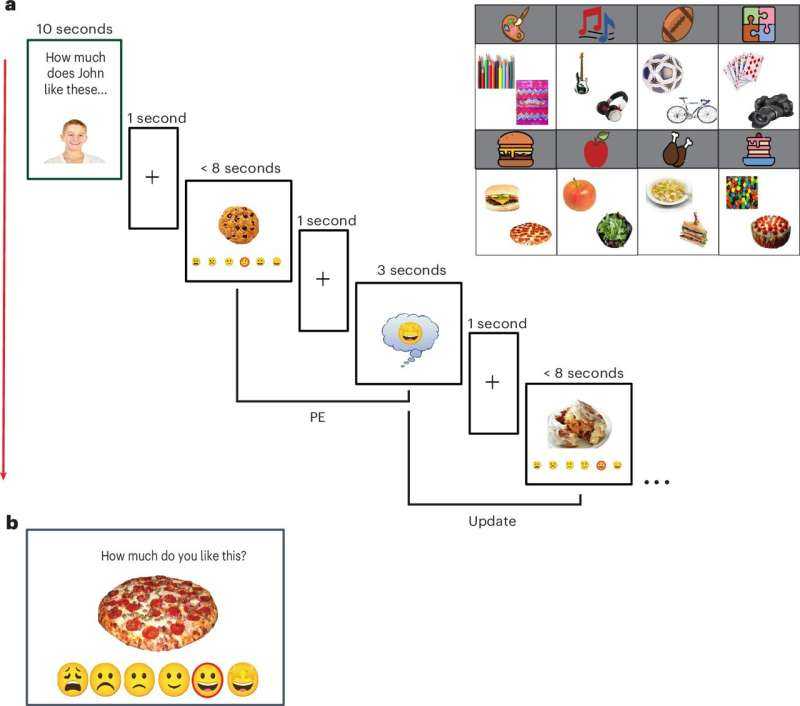
The research involved observing how participants from both groups interacted and gathered information about each other's likes and dislikes. Surprisingly, the study found that despite these similarities in learning strategies, there were distinct approaches that set autistic individuals apart. For instance, non-autistic participants often relied more on direct observation and explicit communication, while their autistic counterparts tended to use indirect cues and context clues.
These differences highlight the unique ways in which autistic people process social information. The study’s lead author understanding these nuances could help in developing better support systems for individuals with autism, ensuring they are not left out during social interactions.
The implications of this research extend beyond just academic interest. By recognizing and valuing these distinct learning strategies, educators, parents, and caregivers can create more inclusive environments where all individuals feel understood and supported. This knowledge also underscores the importance of personalized approaches in fostering meaningful connections among people with diverse backgrounds and abilities.
In conclusion, while both autistic and non-autistic individuals share common ground in their social learning processes, the subtle differences identified by this study offer valuable insights into how we can better support and understand one another.