The relationship between big tobacco and the food industry has been a topic of interest for many years, with many wondering how these two seemingly disparate industries intersect. A new study from the University of California, San Francisco, has shed some light on this topic, revealing the surprising role that Philip Morris Companies Inc. played in shaping the design of ultra-processed foods.
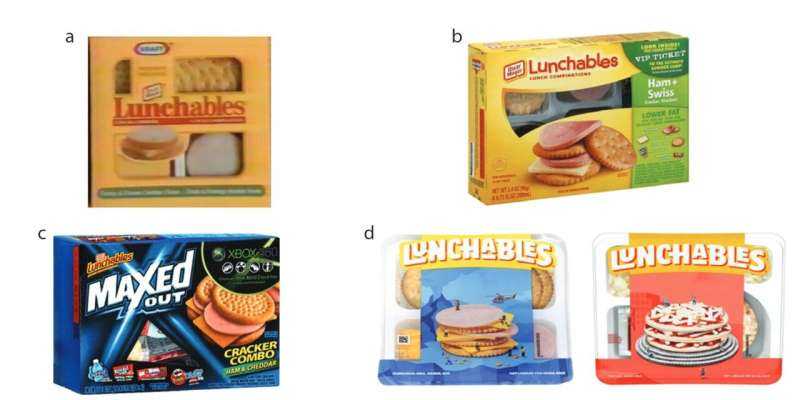
At the center of this story is Lunchables, a popular pre-packaged meal designed for children. The study found that Philip Morris used its extensive research on cigarette flavor and addiction to inform the development of Lunchables, creating a product that would be highly appealing to kids. By applying the same principles of flavor engineering and behavioral science that they used to make cigarettes more addictive, Philip Morris was able to create a food product that would be similarly irresistible to children.
The study's findings are based on a review of internal documents from Philip Morris, which reveal the company's strategy for developing Lunchables. The documents show that Philip Morris used its expertise in flavor engineering to create a product that would be both tasty and convenient, with a focus on creating a strong emotional connection between children and the brand. The company's researchers also drew on their knowledge of behavioral science to design packaging and marketing campaigns that would be highly effective at capturing kids' attention.
The implications of this study are significant, as they suggest that the food industry has been influenced by the same tactics that big tobacco used to make cigarettes more addictive. This raises important questions about the role of the food industry in shaping our eating habits and the impact that ultra-processed foods have on our health. As consumers become increasingly aware of the potential health risks associated with these products, there is a growing demand for greater transparency and accountability from food manufacturers.
The study's authors hope that their findings will contribute to a broader conversation about the need for stricter regulations on the food industry, particularly when it comes to the marketing and sale of ultra-processed foods to children. By highlighting the ways in which big tobacco's tactics have been used to shape the design of these products, the study aims to raise awareness about the potential risks associated with these foods and the need for a more nuanced approach to food policy.