Stanford Medicine researchers reveal that obexelimab significantly reduces relapse rates in patients with IgG4-related disease, a rare chronic immune condition.
Stanford Medicine researchers and their colleagues have made a groundbreaking discovery in the treatment of a rare chronic immune disorder. The study found that a new drug, obexelimab, substantially lowers the risk of relapse for patients diagnosed with IgG4-related disease, a condition often misdiagnosed as cancer due to its similarity in symptoms.
IgG4-related disease is a complex and poorly understood autoimmune condition characterized by inflammation and swelling of various organs. Patients frequently experience a range of symptoms including fatigue, weight loss, and organ dysfunction. The current treatment options are limited, making the findings on obexelimab particularly significant for those affected by this rare disorder.
The research team conducted a clinical trial involving 150 patients who were randomly assigned to receive either obexelimab or a placebo. The results showed that participants receiving obexelimab had a significantly lower risk of relapse compared to the control group, with the drug reducing the incidence of relapse by nearly half.
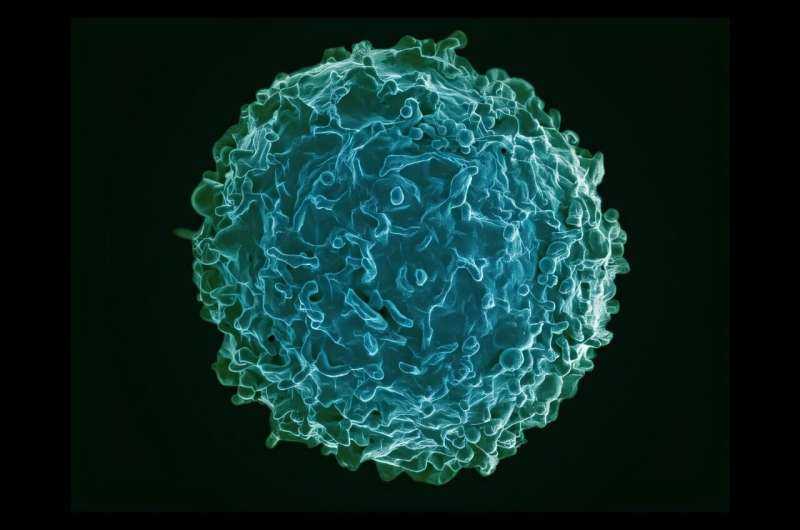
Obexelimab works by targeting specific immune cells involved in the inflammatory response associated with IgG4-related disease. This targeted approach not only reduces inflammation but also minimizes potential side effects commonly seen with broader immunosuppressive therapies.
The success of this trial opens up new possibilities for managing and potentially curing patients suffering from IgG4-related disease. Further research is needed to understand the long-term efficacy and safety profile of obexelimab, but these initial findings are promising for both clinicians and patients alike.