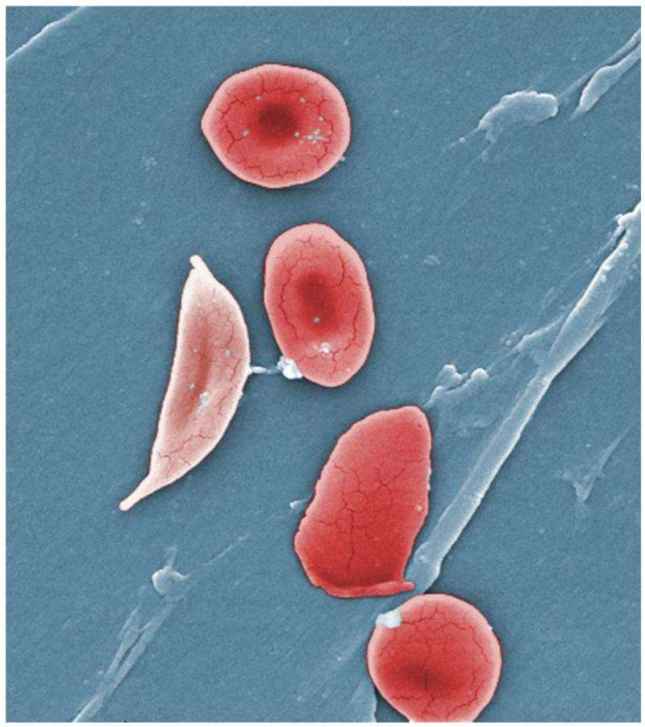
A decade-long study highlights significant improvements in patient outcomes with hydroxyurea, including reduced hospitalizations and lower risk of severe complications.
A comprehensive 10-year study has reaffirmed the life-changing benefits of hydroxyurea for individuals suffering from sickle cell anemia. The groundbreaking research, which involved a large cohort of patients, demonstrated that those treated with hydroxyurea experienced fewer serious complications compared to their counterparts who did not receive this medication.
The findings revealed a notable decrease in hospitalization rates among the study participants taking hydroxyurea. This reduction is crucial as frequent hospitalizations can significantly impact a patient's quality of life and overall health. Additionally, the use of hydroxyurea led to a marked decline in the need for blood transfusions, which are often required to manage symptoms of sickle cell anemia.
Beyond these immediate benefits, the study also highlighted improvements in growth and development among children with sickle cell anemia who were treated with hydroxyurea. This is particularly significant as proper growth during childhood can have long-term health implications into adulthood.
Perhaps most importantly, the research underscored a markedly lower risk of death from complications associated with sickle cell anemia for those receiving hydroxyurea treatment. This outcome represents a major breakthrough in managing this chronic condition and offers hope to millions of patients worldwide.
These results provide strong evidence supporting the continued use of hydroxyurea as a critical component in the management of sickle cell anemia, potentially transforming the lives of countless individuals by reducing their risk of severe health issues and improving their overall well-being.