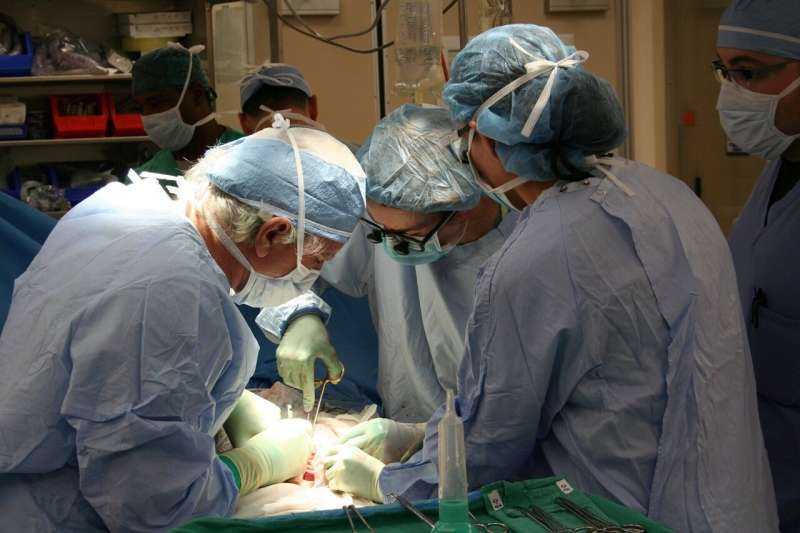
A groundbreaking clinical trial has enabled two patients with end-stage kidney disease to undergo successful transplants, overcoming the challenge of harmful antibodies that made them difficult matches.
A pioneering clinical trial has successfully enabled two patients with end-stage kidney disease to receive previously improbable kidney transplants. These individuals were considered among the most challenging cases in the nation due to harmful antibodies they had developed ("sensitized"). The new treatment approach, known as CAR T therapy, offers a promising solution for such difficult matches.
The groundbreaking procedure involved using chimeric antigen receptor (CAR) T cells, which are engineered immune cells designed to target specific antigens. In this case, the CAR T cells were used to neutralize the harmful antibodies that had made traditional kidney transplants impossible. The treatment process began by collecting the patients' own T cells and genetically modifying them in a laboratory setting.
After the modified cells were infused back into the patients, they rapidly multiplied and targeted the harmful antibodies, effectively reducing their levels and creating an environment conducive to successful transplantation. Both patients received kidneys from donors that would have been incompatible under conventional methods but were now deemed viable thanks to this innovative treatment.
This success marks a significant milestone in transplant medicine, offering hope to thousands of sensitized patients who previously faced limited options for life-saving organ transplants. The CAR T therapy not only opens the door for more compatible matches but also potentially reduces long-term immunosuppressive drug requirements, leading to improved patient outcomes and quality of life.
The clinical trial's success underscores the potential of CAR T technology in addressing complex medical challenges. As researchers continue to refine this approach, it is expected that more patients with difficult-to-match conditions will benefit from these advanced treatments, paving the way for a future where organ transplantation becomes less dependent on finding perfect matches and more focused on restoring health through innovative therapies.