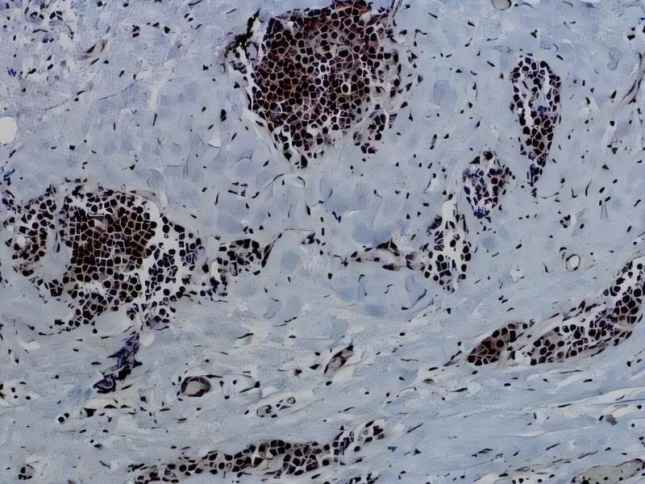
The University of Notre Dame has made a significant breakthrough in the field of breast cancer research, particularly in relation to Native American women. A team of researchers from the institution has conducted the first comprehensive study of breast cancer tissue from this demographic, yielding crucial insights into the molecular characteristics of the disease.
The study, which has been published in npj Precision Oncology, highlights the existence of distinct genetic differences in breast cancer tissue from Native American women. These differences are likely to have a substantial impact on the effectiveness of various therapies used to treat breast cancer in this population.
Native American women have historically been underrepresented in breast cancer research, which has resulted in a lack of understanding about the disease's progression and treatment outcomes in this group. The current study aims to bridge this knowledge gap by providing a detailed analysis of breast cancer tissue from Native American women.
The findings of the study have significant implications for the development of targeted therapies for breast cancer in Native American women. By identifying the unique molecular characteristics of the disease in this population, researchers can design more effective treatment strategies that take into account the distinct genetic profiles of Native American breast cancer patients. This, in turn, may lead to improved treatment outcomes and enhanced quality of life for women from this underserved community.
The research team from the University of Notre Dame hopes that their study will serve as a catalyst for further investigation into the molecular basis of breast cancer in Native American women. By expanding our understanding of the disease in this population, we can work towards reducing the disparities in breast cancer treatment outcomes and improving the overall health and well-being of Native American women.