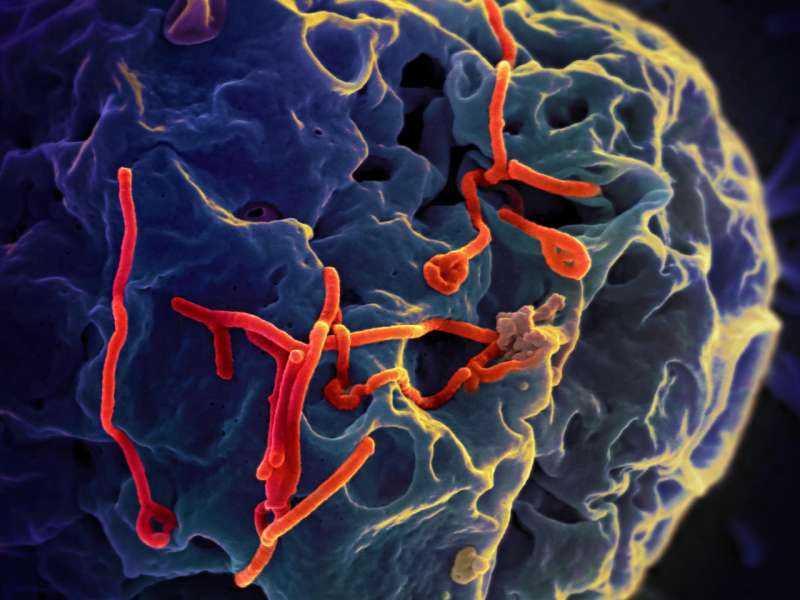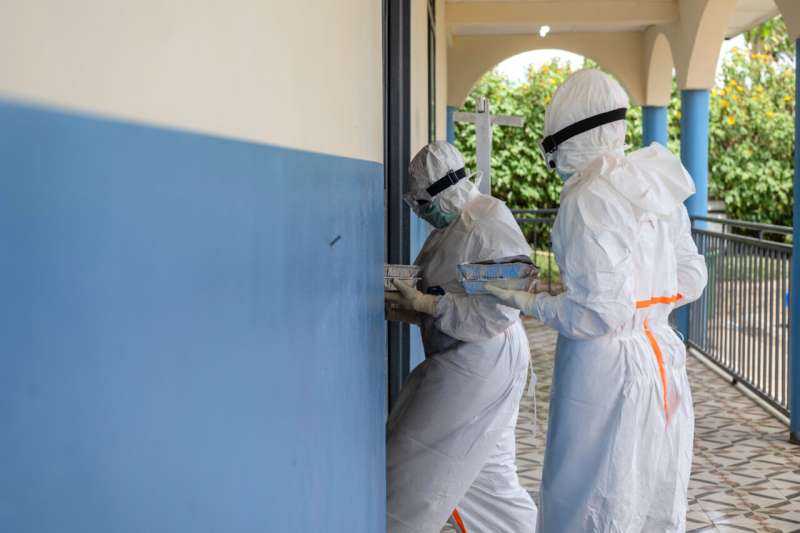
A rare strain of Ebola is spreading in Congo and Uganda, overwhelming local health systems and prompting international concern.
A rare type of Ebola virus has sparked an outbreak in both Congo and Uganda, raising alarms as the number of cases continues to rise faster than the response can keep up. Health officials are grappling with the challenge of containing this highly infectious disease, which is less common than the Zaire strain that has historically caused most outbreaks.
The World Health Organization (WHO) the latest outbreak involves a variant known as Sudan Ebola virus, which was first identified in 1976 and has since been responsible for several smaller outbreaks. Unlike the more well-known Zaire strain, the Sudan variant is less deadly but still poses significant health risks due to its high transmissibility.
In Congo, where the initial cases were reported, the outbreak has already claimed multiple lives. Health workers are racing against time to identify and isolate infected individuals while providing much-needed medical care in remote areas with limited healthcare infrastructure. The situation is further complicated by ongoing civil unrest and displacement of populations, making containment efforts more difficult.
Uganda, which shares a border with Congo, has also reported several cases, underscoring the need for cross-border cooperation and coordination among health agencies. International aid organizations are stepping up their support, providing resources and expertise to bolster local response teams. However, the rapid spread of the virus highlights the urgent need for enhanced surveillance and preparedness measures.
The global community is closely monitoring the situation, with experts warning that swift action is crucial to prevent a wider epidemic. Public health officials emphasize the importance of early detection and isolation protocols, as well as public education campaigns to promote awareness about Ebola prevention and treatment.
As the outbreak continues to unfold, there remains a pressing need for robust international collaboration and support to address this emerging threat effectively. The response efforts will be crucial in determining whether this rare strain of Ebola can be brought under control before it spreads further.