Researchers explore the potential of transcutaneous auricular vagus nerve stimulation (taVNS) in improving physical therapy outcomes for individuals with mobility issues.
The vagus nerve, a crucial connection between the brain and major organs, influences various bodily functions. For patients undergoing physical therapy due to mobility impairments, a noninvasive technique called transcutaneous auricular vagus nerve stimulation (taVNS) is gaining attention as an adjunct treatment. However, scientists have yet to investigate how taVNS affects motor systems during movement, which could significantly inform the development of more effective rehabilitation strategies.
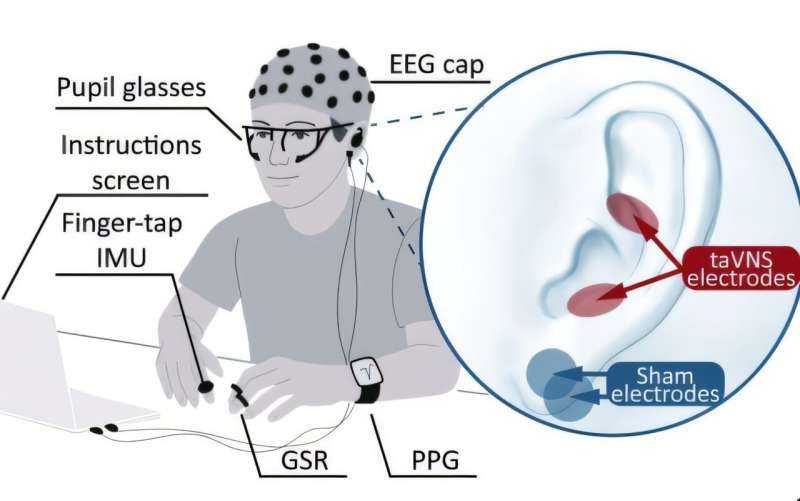
Transcutaneous auricular vagus nerve stimulation involves placing electrodes on specific points in the ear to deliver mild electrical impulses that stimulate the vagus nerve. This noninvasive method has shown promise in enhancing various physiological processes, including those related to motor function and pain management. By stimulating the vagus nerve, taVNS may help improve muscle coordination and reduce pain during physical therapy sessions.
Understanding how taVNS interacts with motor systems is crucial for optimizing its application in rehabilitation settings. Current research focuses on identifying the precise mechanisms through which this stimulation enhances movement capabilities. For instance, studies suggest that taVNS might modulate the activity of neurons involved in motor control, thereby improving muscle function and coordination. Additionally, by reducing pain perception, taVNS could make physical therapy sessions more comfortable for patients.
Future investigations will likely delve deeper into the specific neural pathways and cellular mechanisms engaged during taVNS, providing a clearer picture of its therapeutic potential. This knowledge could pave the way for personalized treatment plans that leverage taVNS to enhance recovery outcomes in individuals with mobility issues. As research progresses, clinicians may be able to tailor their approaches more effectively, ensuring that patients receive the most beneficial interventions possible.