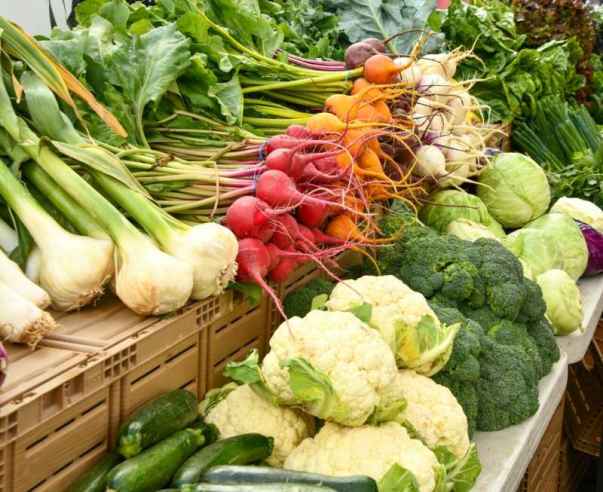
The human immunodeficiency virus, or HIV, can cause significant damage to the gut, leading to chronic inflammation and a range of serious health problems. Even with modern treatments that can suppress the virus, this damage can persist, affecting the overall health and wellbeing of individuals living with HIV. A recent study conducted by researchers at Tulane University has shed new light on this issue, suggesting that compounds found in broccoli may have a role to play in repairing the gut damage caused by HIV.
The study, published in JCI Insight, highlights the importance of addressing the ongoing health issues faced by people living with HIV, even when the virus is under control. By exploring the potential benefits of broccoli compounds, the researchers aim to identify new and innovative ways to mitigate the effects of HIV-related gut damage. This could have a significant impact on the quality of life for individuals living with the disease, reducing the risk of chronic inflammation and related health problems.
One of the key challenges in treating HIV is the persistent damage caused to the gut, which can lead to a range of complications, including malabsorption of nutrients and increased susceptibility to infections. The Tulane University study suggests that the compounds found in broccoli may have anti-inflammatory properties, which could help to reduce the inflammation caused by HIV and promote healing in the gut. This is a significant finding, as it could lead to the development of new treatments that target the root causes of HIV-related gut damage.
The researchers behind the study are hopeful that their findings will lead to further research into the potential benefits of broccoli compounds for people living with HIV. By exploring the complex relationships between HIV, the gut, and the immune system, scientists may be able to identify new and effective ways to address the ongoing health issues faced by individuals living with the disease. As the study's results are based on animal models, further research is needed to confirm the findings and to determine the potential benefits of broccoli compounds for human health.
In conclusion, the Tulane University study provides new insights into the potential benefits of broccoli compounds for repairing gut damage caused by HIV. While more research is needed to fully understand the effects of these compounds, the findings are promising and highlight the importance of continued innovation in the field of HIV research. By exploring new and innovative approaches to treating HIV-related health issues, scientists may be able to improve the lives of individuals living with the disease, reducing the risk of chronic inflammation and related health problems.