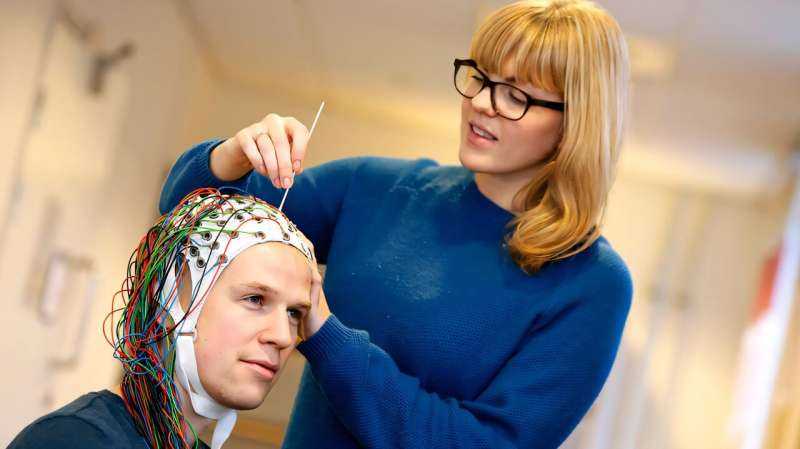
A crucial component of healthcare, electroencephalography systems play a vital role in measuring electrical activity in the brain. These systems rely on electrodes placed on the scalp to gather accurate readings, but obtaining reliable data can be a challenging task. One of the primary obstacles is hair, which can interfere with the contact between the electrodes and the skin, resulting in poor signal quality.
The use of gels to improve the connection between electrodes and skin has been a common practice, but these gels often dry out over time, further compromising signal quality. This can lead to inaccurate readings, making it difficult for healthcare practitioners to diagnose and treat conditions effectively. The development of a reliable and efficient solution to this problem is essential for the advancement of EEG technology and its applications in healthcare.
Researchers have been working to address this issue, and a potential solution has emerged in the form of a thermoreversible biogel. This innovative material has the ability to enhance the contact between electrodes and skin, overcoming the interference caused by hair and the drying out of traditional gels. The thermoreversible biogel can be easily applied and removed, making it a convenient and practical solution for wearable brain-monitoring systems.
The development of this thermoreversible biogel has significant implications for the field of EEG technology. With the ability to obtain accurate and reliable readings, healthcare practitioners can make more informed decisions, leading to better patient outcomes. Additionally, the use of this biogel can expand the applications of EEG systems, enabling their use in a wider range of settings and scenarios. As research continues to advance, the potential benefits of this technology are likely to grow, leading to new and innovative solutions for healthcare and beyond.