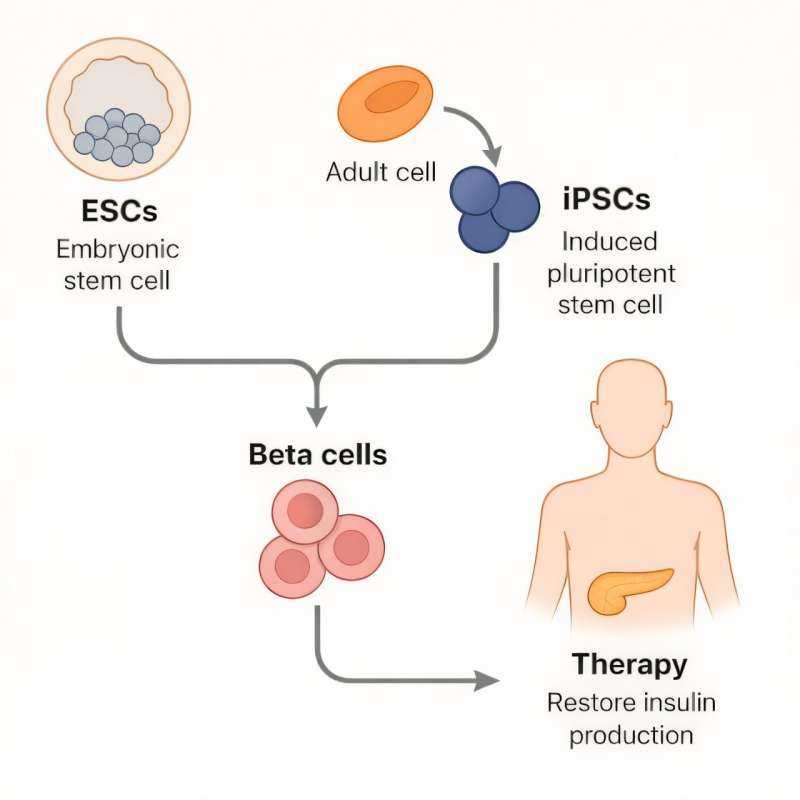
The human body is composed of approximately 30 trillion cells, all of which originated from a mere 100 stem cells during the early stages of development. This remarkable process is made possible by the unique properties of embryonic stem cells, which possess the ability to differentiate into any cell type, earning them the designation of being pluripotent. This characteristic has garnered significant attention in the scientific and medical communities, as researchers seek to harness the potential of stem cells to develop novel treatments for a range of diseases.
One area where stem cell research holds particular promise is in the treatment of diabetes. By leveraging the pluripotency of stem cells, scientists aim to create insulin-producing cells that can replace or supplement those damaged or destroyed by the disease. This approach has the potential to revolutionize the management of diabetes, providing patients with a more effective and sustainable means of regulating their blood sugar levels.
The use of stem cells in diabetes treatment is still in its infancy, but preliminary studies have yielded encouraging results. Researchers have successfully coaxed stem cells into becoming functional insulin-producing cells, which have been shown to effectively regulate blood sugar levels in laboratory models. While more research is needed to fully realize the therapeutic potential of stem cells, the preliminary findings suggest that this approach may one day provide a viable alternative to traditional diabetes treatments.
As scientists continue to explore the potential of stem cells in diabetes treatment, they are also working to overcome the challenges associated with this approach. One of the primary hurdles is ensuring the long-term safety and efficacy of stem cell-based therapies, as well as developing methods to scale up production to meet the demands of a large patient population. Nevertheless, the potential of stem cells to transform the treatment of diabetes is undeniable, and ongoing research is bringing us closer to realizing this vision.
The future of diabetes treatment may ultimately rely on the ability of researchers to harness the full potential of stem cells, and the progress made so far is a testament to the power of scientific innovation. As our understanding of stem cell biology continues to evolve, it is likely that we will see the development of even more effective and targeted therapies, providing new hope for patients living with this debilitating disease.