A new Curtin University study highlights the potential dangers of ignoring asbestos exposure in lung cancer screenings, warning that thousands of at-risk Australians may be overlooked.
A recent study from Curtin University has shed light on a critical oversight in Australia's lung cancer screening programs. The research, published in Occupational and Environmental Medicine, suggests that individuals exposed to asbestos are being missed by current screening efforts, potentially leading to delayed diagnoses and worse outcomes for these high-risk patients.
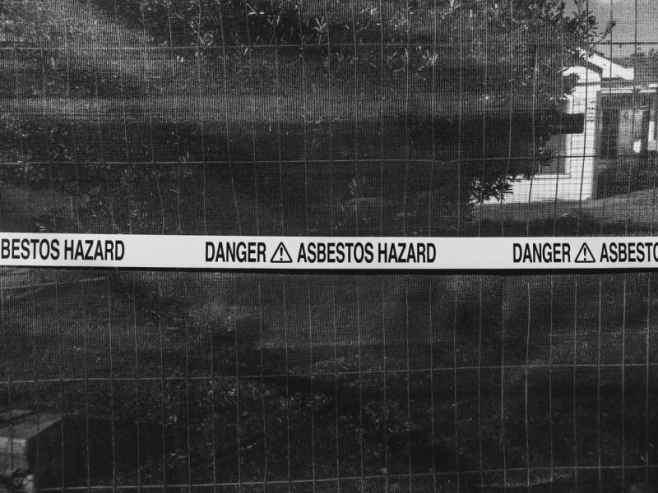
The findings indicate that thousands of Australians who have been exposed to asbestos might not be identified early enough through existing screening methods. Asbestos exposure is a well-known risk factor for lung cancer, yet this crucial detail is often overlooked in the diagnostic process. The study's authors argue that integrating asbestos history into lung cancer screening protocols could significantly improve early detection rates and patient outcomes.
This oversight poses a significant public health concern, as asbestos-related cancers can take decades to develop after initial exposure. By not accounting for asbestos exposure, current screening programs may fail to identify those at highest risk, thereby delaying critical interventions such as targeted screenings and preventive measures.
The research underscores the need for healthcare providers and policymakers to reconsider their approaches to lung cancer screening. Incorporating a thorough assessment of asbestos exposure history could help ensure that all high-risk individuals are properly identified and monitored. This proactive step is crucial in reducing the burden of asbestos-related diseases and improving overall public health outcomes.