A new study reveals that adults perceiving themselves as older than their actual age experience worse sleep quality and daytime functioning, impacting overall health.
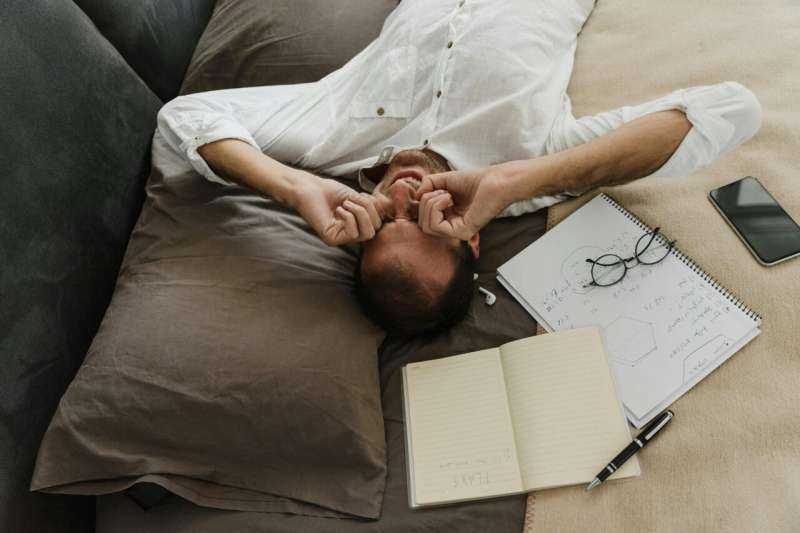
A recent study set to be presented at the SLEEP 2026 annual meeting has uncovered a significant link between self-perceived age and sleep outcomes. The research indicates that individuals who feel older than their chronological age report poorer sleep experiences, including increased insomnia symptoms, greater sleep-related impairment, and lower sleep regularity.
The findings suggest that these sleep issues are not only detrimental to nighttime rest but also affect daytime functioning. Participants who reported feeling older than their actual age were more likely to experience physical health declines, as indicated by self-reported measures of overall well-being.
This study highlights the importance of psychological factors in understanding and addressing sleep-related issues. It underscores the need for healthcare providers to consider not just chronological age but also how patients perceive their own aging process when assessing sleep quality and related health outcomes.