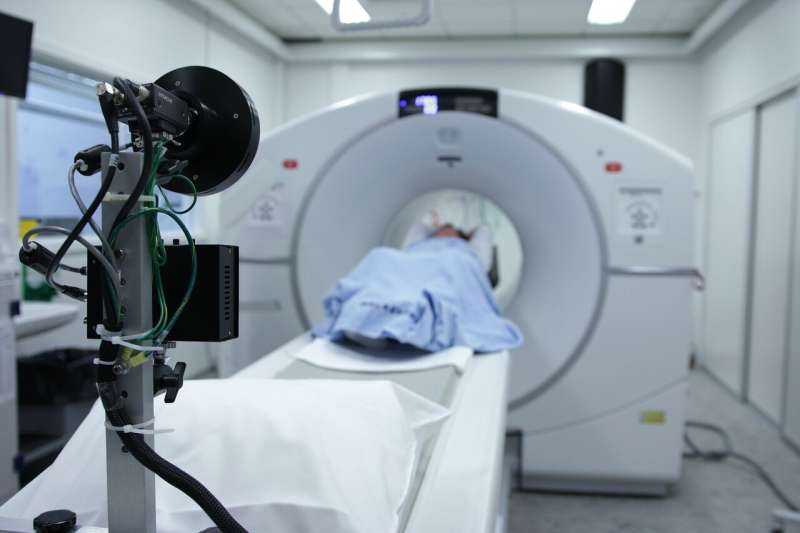
The use of advanced imaging techniques, such as amyloid positron emission tomography (PET) scans, has become increasingly prevalent in clinical research studies, particularly in the field of Alzheimer's disease. However, a recent study has identified a critical gap in these studies, which often fail to consider the radiation exposure that participants have already received from prior medical procedures. This oversight can have significant implications for older adults, who may be more susceptible to the effects of cumulative radiation exposure.
As the U.S. Food and Drug Administration continues to approve new treatments for Alzheimer's disease, the demand for brain imaging technology is likely to grow. This, in turn, will lead to an increase in the number of research participants undergoing imaging procedures, such as PET scans. However, the long-term effects of cumulative radiation exposure on these individuals are not yet fully understood, and the lack of accounting for prior radiation exposure in clinical research studies is a pressing concern.
The study's findings highlight the need for researchers to adopt a more comprehensive approach to assessing radiation exposure in research participants. This could involve developing more sophisticated methods for tracking cumulative radiation exposure, as well as implementing strategies to minimize radiation doses whenever possible. By taking a more proactive approach to managing radiation exposure, researchers can help to mitigate the risks associated with imaging procedures and ensure that participants are protected from potential harm.
The implications of this study extend beyond the field of Alzheimer's research, as the use of imaging techniques is becoming increasingly widespread in medical research more broadly. As such, it is essential that researchers, clinicians, and regulatory agencies work together to develop and implement best practices for managing radiation exposure in research participants. By doing so, we can help to ensure that the benefits of medical research are realized while minimizing the risks to participants, particularly older adults who may be more vulnerable to the effects of cumulative radiation exposure.