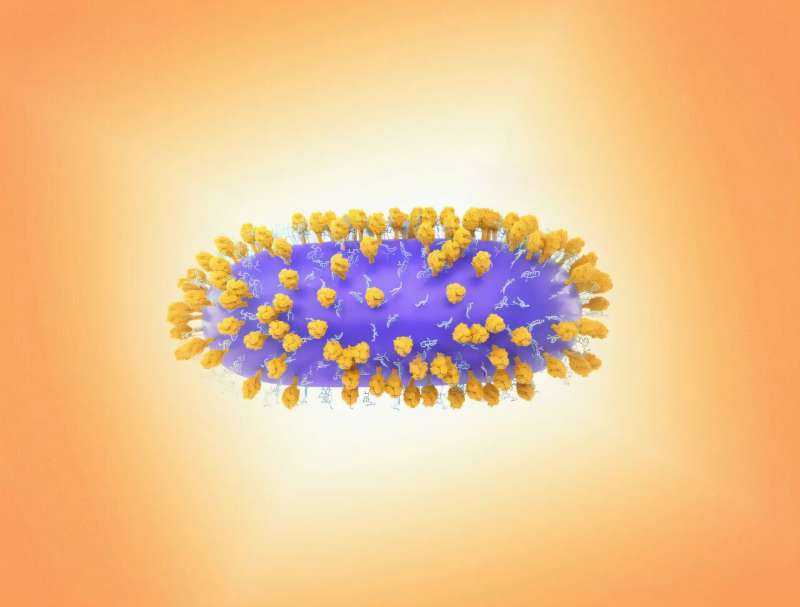
Respiratory Syncytial Virus, or RSV, is a highly contagious and common childhood disease that affects most people by the age of three. Typically, children recover from the virus without any major complications. However, the 2022 outbreak of RSV was a different story altogether. The virus surged earlier than expected, causing a severe and widespread outbreak that overwhelmed hospitals and put a significant strain on healthcare systems.
The unexpected severity of the 2022 RSV outbreak prompted researchers to investigate the possible causes behind this unusual surge. As a result, they have now uncovered specific mutations of the RSV virus that are tied to severe childhood cases. This discovery sheds new light on the virus's behavior and its impact on young children, particularly those who are most vulnerable to severe RSV infections.
The 2022 RSV outbreak was notable not only for its severity but also for its early onset. Typically, RSV outbreaks occur during the winter months, but in 2022, the virus began spreading earlier than usual, catching many healthcare systems off guard. The resulting surge in hospitalizations put a significant strain on resources, highlighting the need for better understanding and preparedness for future RSV outbreaks.
As researchers continue to study the RSV mutations linked to severe childhood cases, they hope to gain a deeper understanding of the virus's behavior and develop more effective strategies for prevention and treatment. This knowledge could ultimately lead to the development of new vaccines or therapies that can help protect young children from the most severe effects of RSV, reducing the burden on hospitals and healthcare systems during future outbreaks.
The discovery of RSV mutations tied to severe childhood cases serves as a reminder of the importance of ongoing research and vigilance in the face of evolving viral threats. By uncovering the underlying causes of severe RSV outbreaks, scientists can work towards developing more effective solutions to mitigate the impact of this common childhood disease, ultimately improving the health and well-being of young children around the world.