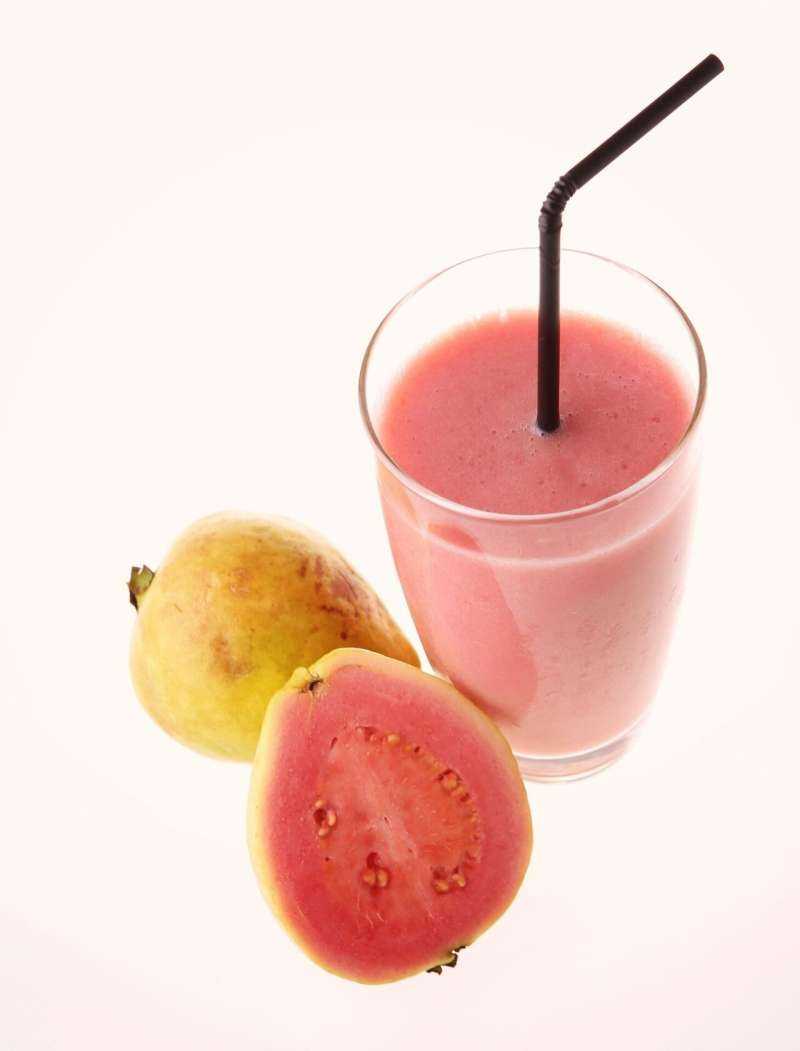
Regular consumption of guava juice may be a valuable and cost-effective way to reduce the risk of anemia in women, particularly in low and middle income countries. This is according to a comprehensive synthesis of available evidence, which has been published in a reputable health journal. The findings suggest that incorporating guava juice into one's diet could be a simple yet effective strategy for mitigating the risk of anemia.
Guava juice is rich in essential nutrients, including iron, vitamin C, and folate, which are crucial for maintaining healthy red blood cells. Anemia, a condition characterized by a deficiency of red blood cells or the amount of hemoglobin in the blood, is a significant public health concern, especially among women in low and middle income countries. The condition can lead to fatigue, weakness, and impaired cognitive function, making it essential to identify effective and accessible prevention strategies.
The synthesis of evidence highlights the potential benefits of guava juice consumption in reducing the risk of anemia in women. The researchers analyzed data from various studies to draw conclusions about the relationship between guava juice consumption and anemia risk. While the exact mechanisms by which guava juice exerts its beneficial effects are not fully understood, the available evidence suggests that regular consumption of guava juice may be a useful adjunct to traditional anemia prevention strategies.
The implications of these findings are significant, particularly in low and middle income countries where access to healthcare and nutritious food may be limited. Guava juice is a readily available and affordable beverage in many of these countries, making it a potentially valuable tool in the fight against anemia. Further research is needed to confirm the findings and to explore the optimal dosage and duration of guava juice consumption for anemia prevention. Nevertheless, the available evidence suggests that regular guava juice consumption may be a simple and effective way to reduce the risk of anemia in women.