A new study links chronic oral inflammation to faster fertility decline in females, highlighting the potential for mouth conditions to impact reproductive health.
A groundbreaking study led by Prof. Michael Klutstein at the Hebrew University of Jerusalem and Prof. Asaf Wilensky at the Hebrew University-Hadassah Medical Center has revealed a significant connection between chronic oral inflammation and female fertility. The research, spearheaded by students Dr. Paz Kles and Stephen Ameho, suggests that conditions in the mouth may have far-reaching effects on reproductive health.
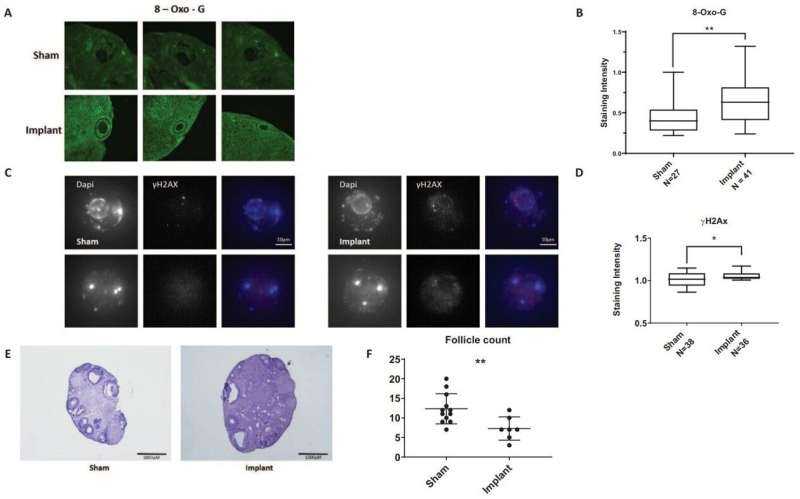
The study involved mice to explore how chronic oral inflammation could impact ovarian function and overall fertility. Researchers found that persistent inflammation in the oral cavity led to accelerated decline in ovarian function, resulting in earlier onset of menopause-like symptoms. This discovery challenges previous assumptions about the limited scope of oral health impacts, pointing towards a broader systemic effect on female reproductive systems.
The findings indicate that maintaining good oral hygiene could be crucial for preserving fertility over time. The study highlights the need for further research to understand the exact mechanisms through which oral inflammation influences ovarian function and suggests potential new avenues for preventing or managing age-related fertility decline.
This research not only underscores the importance of regular dental check-ups but also emphasizes the interconnectedness of various bodily systems, particularly in relation to reproductive health. As more studies explore these connections, healthcare providers may need to consider a holistic approach to patient care that includes oral health assessments alongside traditional reproductive health evaluations.