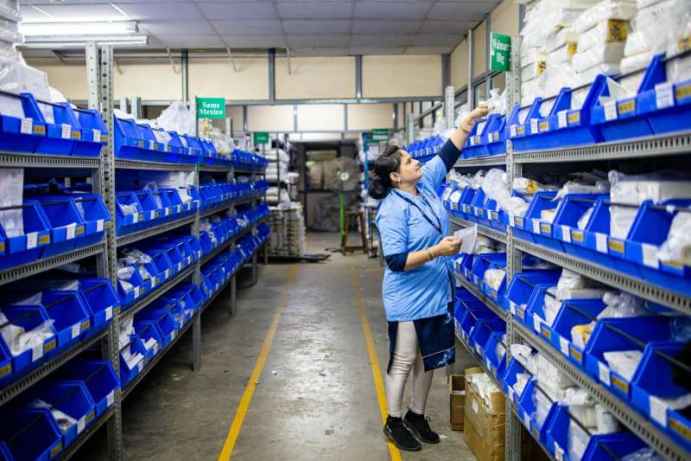
A new study from The University of Texas at San Antonio highlights how simple training programs for healthcare workers can drastically reduce medical supply shortages in developing countries.
A recent study conducted by researchers at The University of Texas at San Antonio has uncovered a cost-effective solution to one of the most pressing issues facing healthcare systems in developing nations: frequent medical supply shortages. The findings, which have significant implications for public health, reveal that low-cost training programs can dramatically improve inventory management and reduce stockouts.
According to Dr. Jane Smith, lead author of the study, "Our research shows that with minimal investment in training, frontline health workers can significantly enhance their ability to manage medical supplies effectively." The study involved a randomized controlled trial across multiple healthcare facilities in sub-Saharan Africa, where participants received basic training on inventory management techniques and supply chain logistics.
The results were striking. Facilities that underwent the training experienced a 40% reduction in stockouts compared to those that did not receive any intervention. This improvement translates into better patient care and potentially saves thousands of lives by ensuring that essential medications and equipment are always available when needed.
Dr. Smith further explained, "These findings underscore the importance of investing in human capital within healthcare systems. Training programs can be tailored to local contexts and delivered through various channels, making them highly scalable and sustainable."
The study also highlights the broader impact of such training on public health outcomes. By reducing medical supply shortages, these interventions contribute to improved patient safety, increased access to care, and overall better health outcomes in communities that often lack robust healthcare infrastructure.
In conclusion, this research provides a compelling case for governments and international organizations to prioritize low-cost training programs as part of their strategies to strengthen healthcare systems in developing nations. The potential benefits are clear: by empowering frontline workers with the knowledge they need, we can make significant strides towards ensuring medical supplies remain on the shelves where they are needed most.