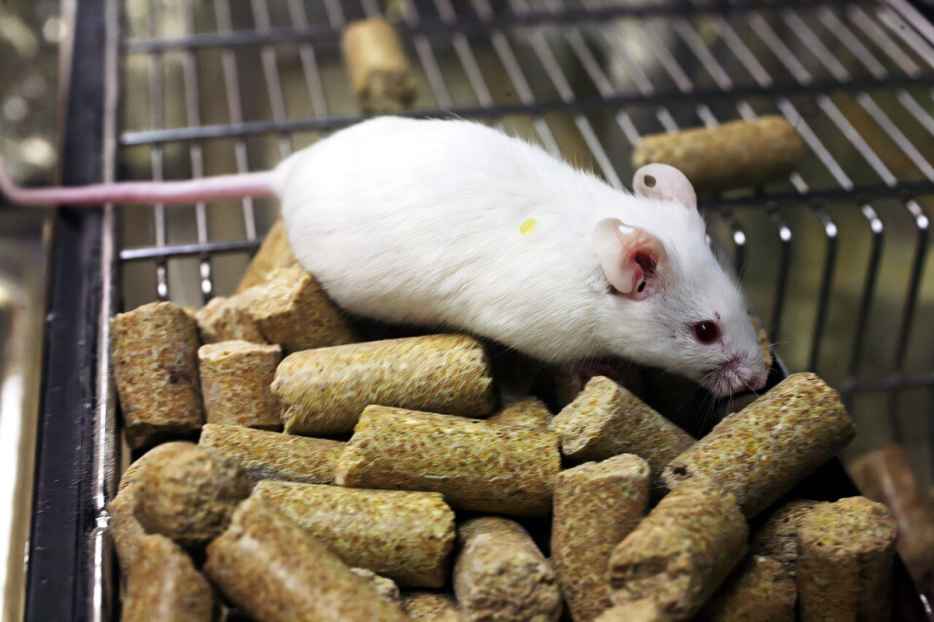
New research findings have led researchers at the University of North Carolina (UNC) School of Medicine to develop a new strain GQC reporting system aimed at ensuring the accuracy and rigor of laboratory mouse models. This initiative follows a study that revealed significant discrepancies in the genetic makeup of about half of the tested mouse models, highlighting the critical need for enhanced quality control measures.
The lab mouse has long been a cornerstone model organism in biomedical research, often used to represent human diseases through modifications to their genome. However, these models rely heavily on accurate genetic information to be reliable and replicable. A recent study by geneticist Fernando Pardo-Manuel de Villena and his team at UNC School of Medicine underscored the importance of stringent quality control.
Pardo-Manuel de Villena's research group analyzed hundreds of mouse models and found that many did not align with expected genetic profiles. This discovery underscores the necessity for a standardized reporting system to maintain the integrity of these models, which are essential tools in advancing medical knowledge and developing new treatments.
To address this issue, Carolina researchers have introduced the strain GQC (Genetic Quality Control) reporting system. Developed by the Mutant Mouse Resource and Research Centers (MMRRC), part of a national network of archive and distribution facilities across the United States, this tool aims to verify genetic accuracy in mouse models used for research.
Jennifer Brennan, Ph.D., senior director of the Office of Research at UNC School of Medicine and manager of MMRRC, explained, "We act as an archive and a distribution center so that investigators from across the country can deposit and order mouse models for their research projects. Our new reporting system is designed to facilitate transparency and collaboration among researchers."
The strain GQC reporting system provides detailed information about each mouse model's genetic composition, helping researchers identify potential discrepancies early in the experimental process. This approach not only enhances the reliability of results but also prevents wastage of resources and time.
Pardo-Manuel de Villena emphasized the significance of this initiative: "We saw major inconsistencies and minor mismatches. This is a big deal. When your research lacks rigor, you lose confidence in your results, it is not likely to be replicable, and you will waste resources, money, and animals."
The new reporting system has been made available through a series of short webinars hosted by MMRRC, aimed at educating researchers about its features and benefits. By promoting transparency and consistency, the GQC system aims to foster a culture of rigor in mouse model research.
As Pardo-Manuel de Villena noted, "We act as an archive and a distribution center so that investigators from across the country can deposit and order mouse models for their research projects. Our new reporting system is a tool meant to start a conversation, not to cast blame, and we are here to help."
This development marks a significant step forward in ensuring the reliability of mouse model studies, which have long been fundamental to biomedical research. The strain GQC reporting system represents a collaborative effort by researchers across the nation dedicated to maintaining high standards in experimental design and quality control.
As Pardo-Manuel de Villena concluded, "Our goal is not only to improve genetic accuracy but also to enhance the reproducibility of mouse model studies, ultimately contributing to more robust scientific advancements."