Researchers at University Medical Center Göttingen and University Hospital of Schleswig-Holstein have successfully used lab-grown heart muscle to enhance heart function in severe cases, marking a significant breakthrough.
Researchers at the University Medical Center Göttingen (UMG) and the University Hospital of Schleswig-Holstein (UKSH) have made a significant breakthrough in the treatment of severe heart failure. For the first time, a clinical trial has demonstrated that laboratory-grown heart muscle tissue can improve the pumping function of damaged hearts.
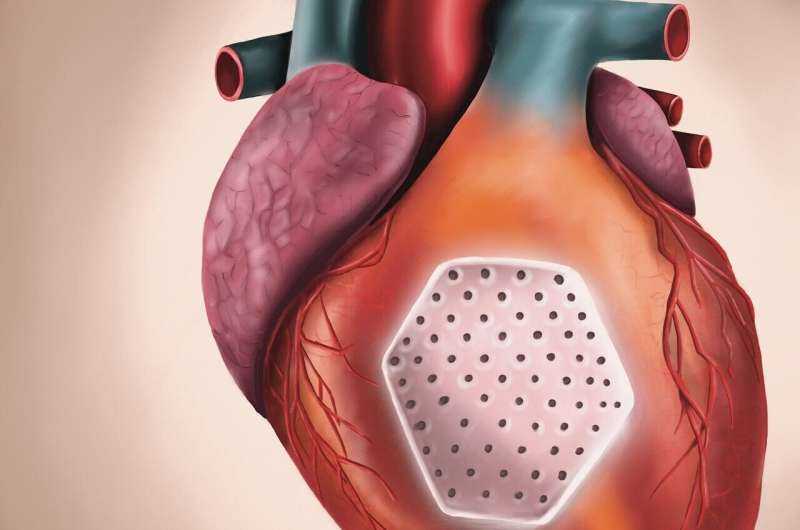
The groundbreaking study involved a team of scientists who developed a method to grow heart muscle cells outside the body and then transplant them into patients with advanced heart failure. The lab-grown patches were designed to repair damaged areas of the heart, potentially restoring its ability to pump blood effectively.
In the trial, several patients suffering from severe heart failure participated. These individuals had exhausted conventional treatment options and faced limited prospects for recovery. After receiving the experimental heart muscle patches, the participants showed improved cardiac function over time. The study's results suggest that this innovative approach could offer new hope to those with end-stage heart disease.
The success of this clinical trial paves the way for further research into regenerative therapies for cardiovascular diseases. It highlights the potential of using advanced biotechnology to address some of the most challenging medical conditions. As more trials are conducted, experts believe that lab-grown heart patches could become a viable treatment option in the future, significantly enhancing patient outcomes and quality of life.
This breakthrough not only represents a significant advancement in cardiac care but also underscores the growing importance of regenerative medicine in modern healthcare.