
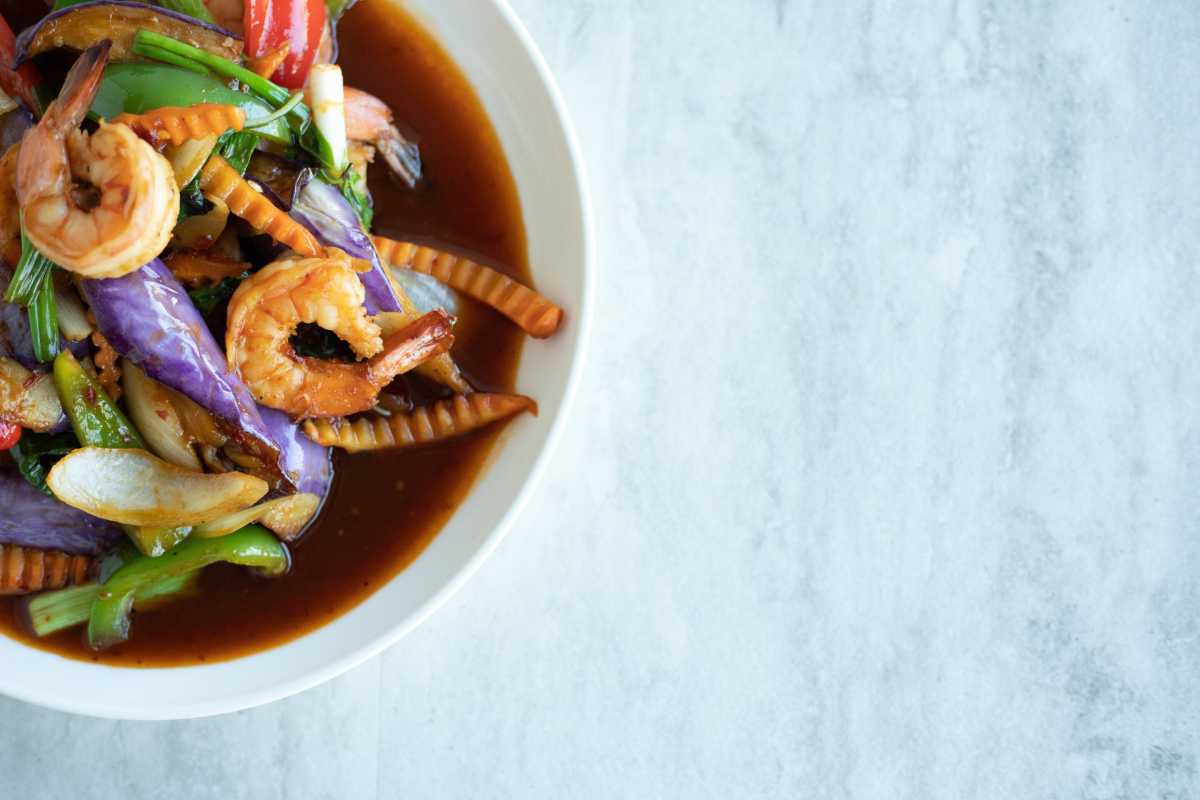
A new study suggests that convenient and healthy meal delivery services can help reduce depressive symptoms by removing daily burdens and promoting a healthier diet.
Making healthy meals more convenient through meal delivery services could improve depressive symptoms by removing some of the daily burdens that often accompany depression. A new study published in Scientific Reports explored whether easier access to minimally processed foods could support mental health among adults experiencing moderate to moderately severe depressive symptoms. Previous studies have linked healthier, minimally processed diets with reduced depression symptoms, but actually following those diets can be difficult for people struggling with fatigue, low motivation, stress, and decision-making challenges.
The study found that participants who received prepared, minimally processed meals through a commercial delivery service showed larger reductions in depressive symptoms compared to those who prepared meals on their own. According to Ashley Gearhardt, professor of psychology and lead investigator, "One of the biggest barriers to healthy eating during depression is that depression itself makes planning, shopping, cooking, and decision-making much harder. The meal delivery reduced that burden. It made the healthier choice the easier and more convenient choice." The study's findings are important because they add to growing evidence that nutrition may play a meaningful role in mental health treatment and that convenience may have unique benefits.
The study's results also align with the growing national food as medicine movement, which examines how nutrition may support treatment for chronic illnesses. Gearhardt believes that mental health should increasingly become part of that conversation. "If the brain and body are not adequately nourished, it may make it harder for traditional treatments like therapy or medication to work as effectively as they otherwise could," she said. Many participants in the study were already receiving therapy, medication, or both, yet continued to experience depressive symptoms. Researchers say the study highlights how making dietary change more convenient and supported may complement these treatments.
The study raises broader questions about food accessibility and public health. Ultra-processed foods dominate many American diets because they are inexpensive, heavily marketed, and often easier to obtain than healthier alternatives. Gearhardt notes that this should not just be framed as individual responsibility, but also spark conversations about how to make nourishing food more affordable, accessible, and convenient for everyone. While larger and longer-term studies are needed, researchers say the pilot findings suggest meal-delivery and nutrition-support programs could someday become part of health care approaches for vulnerable populations, including people with severe depression, postpartum mothers, or individuals transitioning from inpatient psychiatric care.
For people feeling overwhelmed by healthier eating, researchers recommended starting small rather than attempting dramatic changes all at once. "The goal is progress, not perfection," said U-M research fellow and co-investigator Celina Furman. "Small, sustainable changes tend to matter much more than dramatic short-term overhauls." The study's findings have implications for policy and daily life, highlighting the importance of making healthy food options more accessible and convenient for everyone. By doing so, we may be able to alleviate some of the burdens that accompany depression and promote better mental health outcomes.


