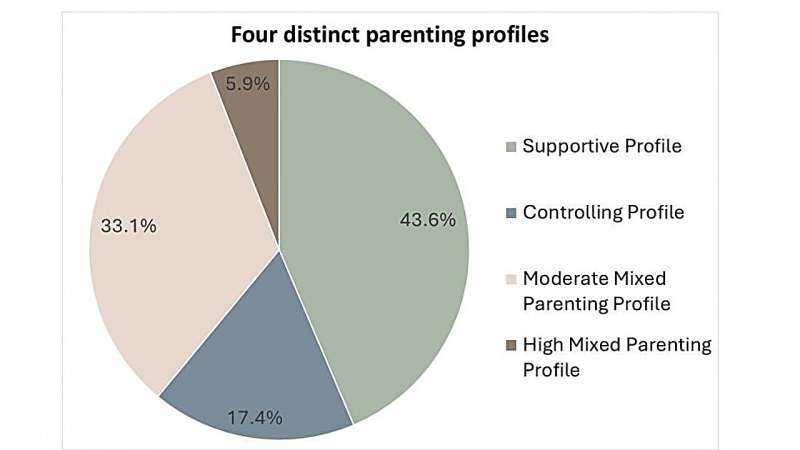
A one-year longitudinal study reveals that parenting styles using guilt induction and love withdrawal can significantly worsen depression in adolescents, especially among girls.
To understand how parenting styles influence adolescent mental health, researchers from Lingnan University, the School of Psychology at South China Normal University, and the Department of Applied Psychology at Guangdong University of Education conducted a comprehensive one-year longitudinal study. The findings indicate that psychological control tactics employed by parents—such as guilt induction or love withdrawal—are detrimental to adolescents' emotional well-being.
These methods, often considered forms of emotional blackmail, can impair an adolescent's ability to regulate their emotions effectively. As a result, this emotional dysregulation exacerbates depressive symptoms and increases the risk of self-harm, particularly among female adolescents. The study highlights the importance of understanding these parenting practices and their potential long-term impact on mental health.
The research underscores that guilt induction and love withdrawal can have severe consequences for adolescents' psychological resilience. Parents who use such tactics may unknowingly contribute to a cycle of emotional distress that can manifest in depression and other behavioral issues. Given the significant risk, it is crucial for parents and caregivers to adopt more supportive and nurturing approaches to parenting.
This study provides valuable insights into the complex dynamics between parenting styles and adolescent mental health, emphasizing the need for greater awareness and education among parents about healthy communication and emotional support strategies.