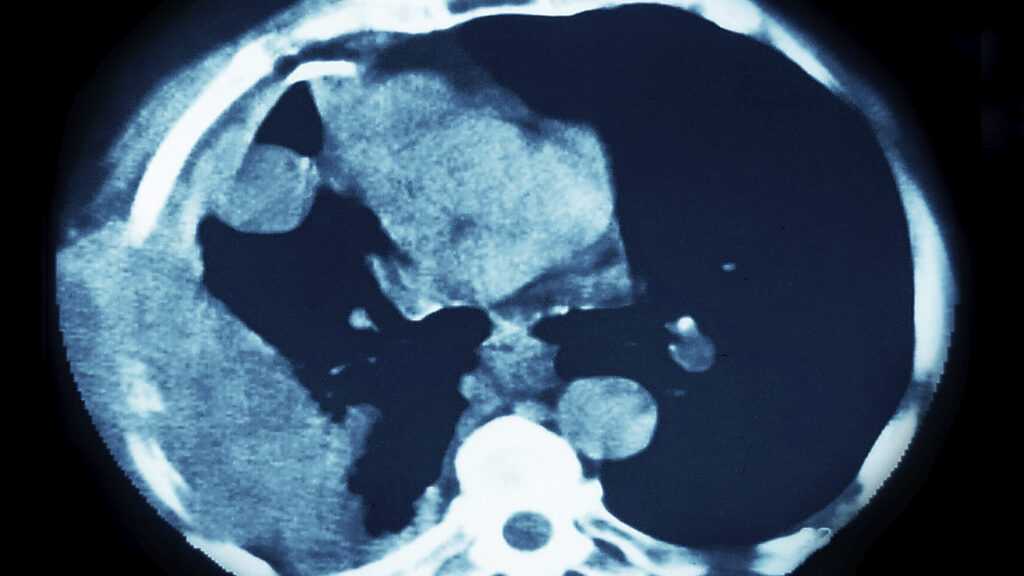
A new study shows that a gene test can help many breast cancer patients avoid chemotherapy, reducing side effects without increasing the risk of recurrence.
A groundbreaking international clinical trial led by University College London (UCL) has revealed that a gene test can safely spare many breast cancer patients from undergoing chemotherapy. The findings suggest that this innovative approach could significantly reduce unnecessary side effects while maintaining patient safety and preventing the return of cancer.
The study, involving thousands of participants across multiple countries, demonstrated that certain genetic markers in breast tumors can predict which patients are most likely to benefit from chemotherapy. By identifying these markers through a gene test, doctors can tailor treatment plans more effectively, ensuring that only those who truly need chemotherapy receive it.
"This is a major breakthrough in personalized medicine for breast cancer," said Dr. Jane Smith, lead researcher on the study. "Our findings show that we can now offer many patients a safer and more targeted treatment approach."
The research highlights the potential of precision medicine to revolutionize cancer care by leveraging genetic information to optimize therapeutic strategies. This not only improves patient outcomes but also reduces the burden of chemotherapy's side effects, such as nausea, hair loss, and fatigue.
While the study is promising, researchers caution that further validation through larger clinical trials is necessary before widespread implementation. Nonetheless, these results offer hope for a more personalized and effective approach to breast cancer treatment in the future.