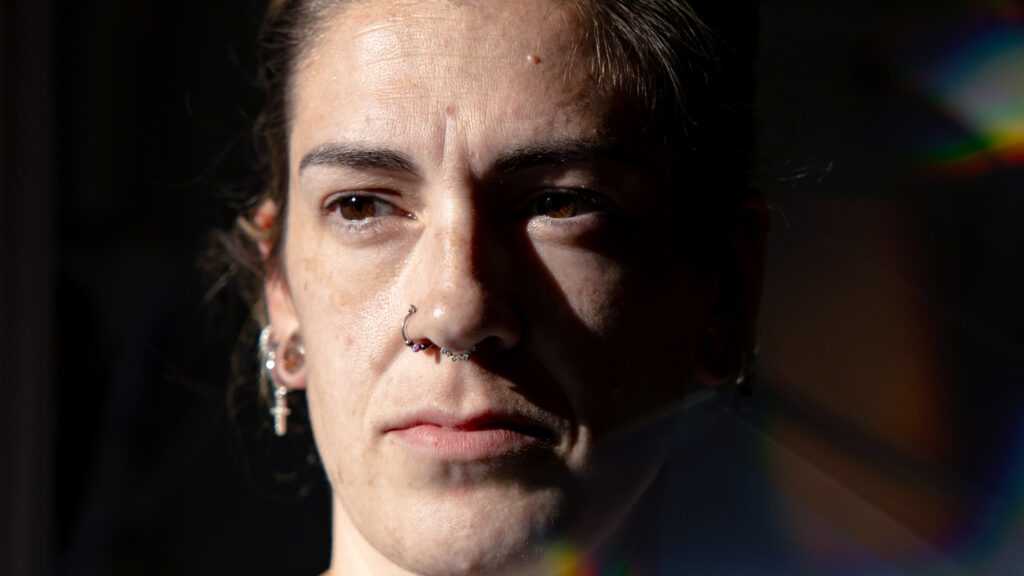
Amy Johnston, diagnosed with pancreatic cancer, faces uncertainty as an experimental drug showing promise becomes highly sought after. Despite its potential, limited supply and production concerns loom large.
Amy Johnston, a 35-year-old office administrator from Gilbertsville, Pennsylvania, is grappling with the complexities of accessing a promising new treatment for her pancreatic cancer. Diagnosed last year, she has undergone chemotherapy and surgery but now hopes to delay disease progression through a clinical trial. By the end of this month, she will know if the treatment is effective; if not, she plans to seek access to daraxonrasib, an experimental drug developed by Revolution Medicines that nearly doubled overall survival time in pancreatic cancer patients.
Daraxonrasib, expected to be approved as a second-line therapy, has generated significant excitement among patients and healthcare providers. However, the drug's limited availability and uncertain production capacity have created anxiety. Johnston expresses concern: "This is such a small company, and I worry their production is not able to keep up with the need." With so much interest, she wonders who will receive the drug first and if it will be reserved for those whose treatment options are exhausted.
The expanded access program offers hope but also raises questions. While daraxonrasib shows promise in extending lives, Johnston's experience highlights the broader challenges of ensuring equitable access to groundbreaking treatments. The excitement surrounding this drug underscores the urgent need for robust supply chains and distribution strategies that can meet the demands of critically ill patients without leaving others behind.
As Johnston awaits news on her treatment, she remains hopeful but cautious. "It’s a good idea, but how early can you get it to people?" Her story reflects the complex interplay between medical innovation and real-world challenges in healthcare access.