
Exposure to fine particle pollution is tied to increased hospitalizations for kidney disease, even at low concentrations, with men being at higher risk across different age groups.
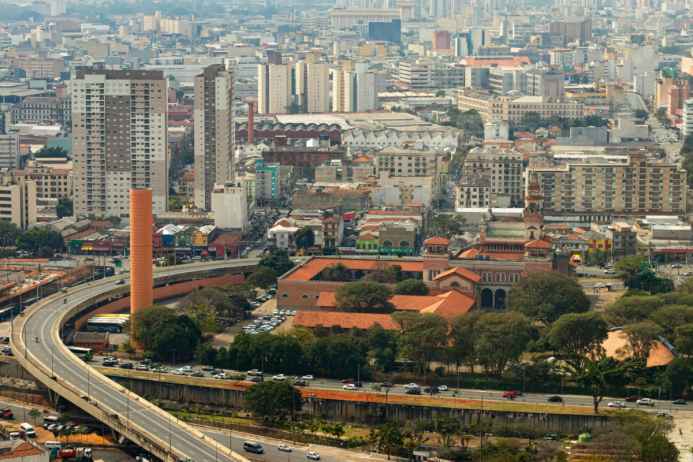
A recent study has found a strong correlation between the concentration of particulate matter in the air and kidney disease. The research, which was conducted in Sāo Paulo, Brazil, estimated the risk of hospitalization for three kidney conditions based on the levels of fine particulate matter from 2011 to 2021. The results indicate that exposure to fine particulate matter, primarily emitted by vehicle fuel combustion, increases the risk of hospitalization for kidney disease, even at low concentrations.
The study found that men across different age groups were at the highest risk of hospitalization, with exposure to even low concentrations of fine particulate matter sufficient to increase the risk of hospitalization for acute kidney injury. The World Health Organization (WHO) limit of 15 micrograms per cubic meter of fine particulate matter over 24 hours was exceeded in Sāo Paulo, with concentrations reaching up to 65 micrograms per cubic meter. However, even concentrations within the WHO limit showed a link to hospitalizations for kidney diseases, highlighting the need to intensify policies to reduce air pollution.
The research, which was part of the project Air Pollution Is the Driver of Premature Kidney Aging, found that fine particulate matter consists of solid or liquid particles smaller than 2.5 micrometers. The results indicate that exposure to this type of pollution increases the risk of hospitalization for chronic kidney disease by up to four times across different age groups and exposure levels. Long-term exposure to high concentrations of fine particulate matter significantly increased the risk of chronic kidney disease for individuals aged 19 to 50 and was up to 2.5 times higher for men aged 51 to 75.
The study's findings suggest that particulate matter can enter the bloodstream and deposit in kidney tissue, causing the body to produce a series of inflammatory mediators, as well as mediators of fibrosis and premature aging. The researchers are concerned about the quality of life and health care costs associated with these preventable diseases, which would be less severe with lower pollution levels. In severe cases, patients require hemodialysis, a procedure that filters blood outside the body, and even kidney transplants, which have a long waiting list.
The researchers are calling for a new development model that does not rely on burning fossil fuels, the primary cause of global warming. They believe that public policies to reduce air pollution are currently insufficient and that more needs to be done to address this issue. The study's findings have significant implications for public health, highlighting the need to reduce air pollution to prevent kidney disease and other related health problems. By reducing exposure to fine particulate matter, individuals can lower their risk of hospitalization for kidney disease and improve their overall health and well-being.
The study's results are consistent with previous research, which has shown that air pollution is linked to poor kidney health and increased rates of kidney disease. The findings of this study add to the growing body of evidence that highlights the importance of reducing air pollution to protect public health. By taking steps to reduce exposure to fine particulate matter, individuals and communities can help to prevent kidney disease and other related health problems, improving the quality of life and health care outcomes for all.


