
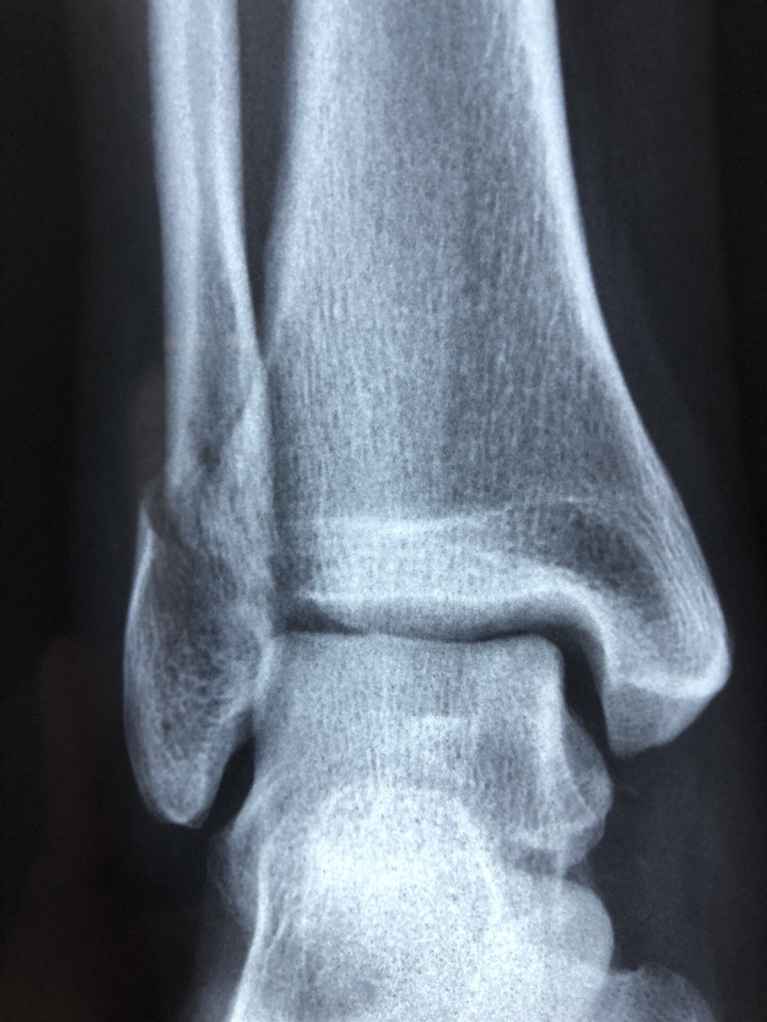
A large clinical trial challenges the effectiveness of treatments aimed at increasing bone density for brittle bone disease, suggesting a shift in treatment strategies is needed.
A recent clinical trial has found that treatments designed to boost bone density do not significantly reduce fractures in patients with brittle bone disease, challenging long-held beliefs and prompting a new approach to treatment. The study, published in JAMA, involved 350 adults with osteogenesis imperfecta (OI), a rare genetic condition characterized by weak, fragile bones prone to breaking easily.
Scientists at the University of Edinburgh followed participants over eight years, from May 2017 to March 2025, during the TOPaZ trial. Half received treatments designed to increase bone density, while the other half received standard care. While those on the drug treatment showed significantly increased bone density compared to those receiving standard care, they did not experience a reduction in fracture rates.
The findings indicate that current approaches may need reevaluation. "The results of this study will fundamentally change clinical practice with regard to the treatment of osteogenesis imperfecta," said Professor Stuart Ralston from the University of Edinburgh's Institute of Genetics and Cancer. "We have been using drugs to increase bone density for decades in the hope that they might prevent fractures, but the TOPaZ trial clearly shows that these medicines simply do not work."
Experts emphasize that treatment strategies should focus on improving bone quality rather than just increasing density. Patricia Osborne, CEO of the Brittle Bone Society, highlighted the importance of this research: "We are proud to have supported the TOPaZ trial. The results provide clear evidence for treatment decisions and underscore the need for OI-specific research."
The study included scientists from 27 hospitals across the UK and Europe, underscoring the collaborative effort behind challenging long-standing assumptions in treating brittle bone disease.
While increasing bone density has been a primary focus of treatment strategies for decades, this trial suggests that alternative approaches may be more effective. Moving forward, researchers are encouraged to explore therapies that target defects in collagen production, aiming to improve bone strength and reduce fracture risk.
The findings not only have implications for patients with brittle bone disease but also highlight the critical role of charity-supported research in advancing medical knowledge and improving patient care. By bringing together a large group of adults with OI studied to date, the TOPaZ trial sets new standards that will influence future clinical trials and treatment approaches.


