Researchers at USC Stevens INI have developed a comprehensive model using over 54,000 diffusion MRI scans to track brain development from childhood through old age.
Researchers at the USC Mark and Mary Stevens Neuroimaging and Informatics Institute (Stevens INI) at the Keck School of Medicine of USC have made significant strides in understanding how the human brain develops and changes over time. By analyzing more than 54,000 diffusion MRI scans, they have created one of the largest reference models ever developed for the human brain.
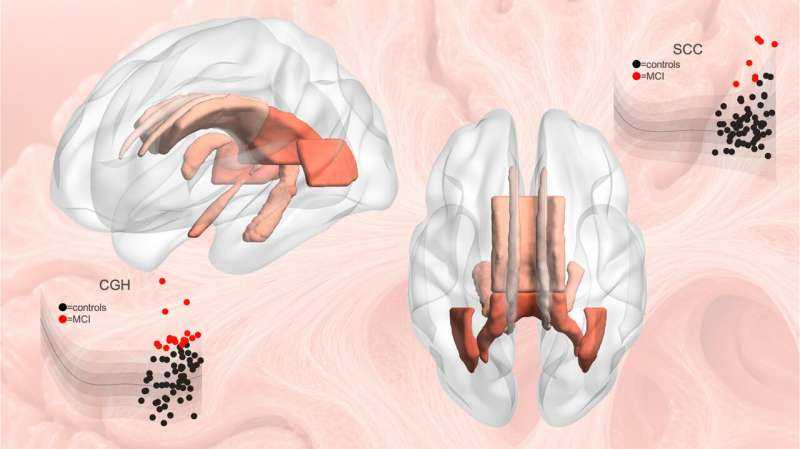
This groundbreaking study aims to map out the growth charts for white matter—essential communication pathways within the brain—from childhood through old age. The findings could provide valuable insights into neurological development and aging processes, potentially aiding in the early detection and treatment of various brain disorders.
The researchers utilized advanced imaging techniques to capture detailed information about how these white matter tracts evolve over different stages of life. This comprehensive dataset offers a unique opportunity for scientists and clinicians to better understand the normal trajectory of brain development and identify deviations that may indicate potential health issues.
By charting these changes, the study could revolutionize our understanding of cognitive decline and neurodegenerative diseases such as Alzheimer's. The insights gained from this research could lead to improved diagnostic tools and personalized treatment strategies for a wide range of neurological conditions.
This extensive model represents a significant advancement in brain imaging and neuroscience, providing researchers with valuable resources to explore the complex dynamics of brain development and aging. As scientists continue to analyze these data, they hope to uncover new ways to support cognitive health throughout one's lifetime.