
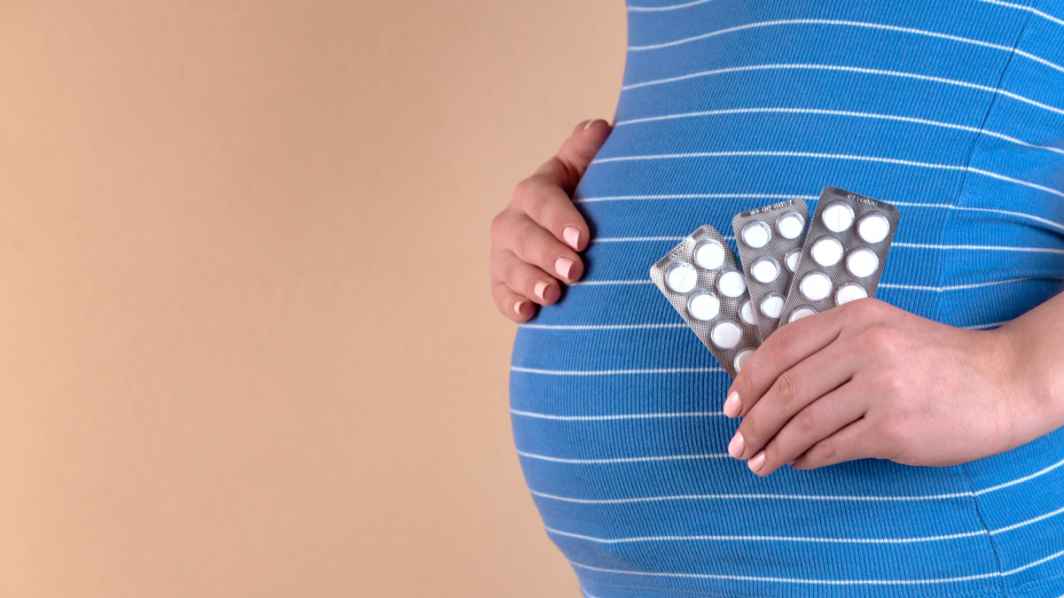
New study by The Lancet finds no significant increased risk of autism or ADHD in children born to mothers who used antidepressants during pregnancy.
A systematic review and meta-analysis published in The Lancet Psychiatry journal has found that the use of almost all antidepressants during pregnancy does not significantly increase the risk of neurodevelopmental disorders, including autism and attention-deficit/hyperactivity disorder (ADHD), according to researchers. This study provides reassurance for many parents-to-be who may have concerns about potential risks associated with medication.
Previous meta-analyses conducted nearly a decade ago had limitations due to small sample sizes and lack of control for additional factors. The new analysis, which pooled data from 37 studies involving more than 600,000 pregnant women taking antidepressants and almost 25 million pregnancies without such use, offers the most comprehensive evidence yet.
Dr. Wing-Chung Chang, a researcher at the University of Hong Kong, "We know many parents-to-be worry about the potential impact of taking medication during pregnancy; our study provides reassuring evidence that commonly used antidepressants do not increase the risk of neurodevelopmental disorders such as autism and ADHD in children."
The analysis found that when controlling for other factors like maternal mental health conditions, there was a 35% increased risk of ADHD and a 69% increased risk of autism associated with antidepressant use during pregnancy. However, these risks diminished or disappeared after adjusting for confounding variables.
Dr. Joe Kwun-Nam Chan added, "While all medications carry risks, so too does stopping antidepressants during pregnancy due to an increased risk of relapse. Therefore, for women with moderate-severe depression, doctors and patients must carefully weigh the potential risks and benefits of continuing antidepressant treatment during pregnancy against the potential harms of untreated depression."
The study also found that use of antidepressants by fathers was associated with a 46% increase in the risk of ADHD and a 28% increase in the risk of autism. However, this association disappeared when controlling for maternal mental health conditions.
Dr. Kwun-Nam Chan explained, "Our findings suggest that it is not the antidepressants themselves causing an increased risk of autism and ADHD, but rather other factors such as genetic predispositions, home environment, and social interactions."
The researchers noted some limitations to their study, including gaps in data on socioeconomic status, lifestyle risk factors, and low birth weight. Additionally, there were only a few studies examining specific trimesters or exact doses and dose changes.
Despite these limitations, the study's findings provide valuable insights for healthcare providers and families considering antidepressant use during pregnancy. Lisa Vitte, Emmanuel Devouche, and Gisele Apter from University Rouen, Normandy, who were not involved in the research, commented that "Chang and colleagues' study adds knowledge and confirms some of the pre-existing knowledge on the use of antidepressants during pregnancy: that they should continue to be taken as they protect maternal mental health and do not harm fetal development."
Publication details: Maternal and paternal antidepressant use before and during pregnancy and offspring risk of neurodevelopmental disorders: a systematic review and meta-analysis, The Lancet Psychiatry (2026). DOI: 10.1016/S2215-0366(26)00089-1
Journal information: The Lancet
Key medical concepts: Attention Deficit Hyperactivity Disorder Autism Spectrum Disorder Selective Serotonin Reuptake Inhibitors (SSRIs)
Clinical categories: Psychiatry Obstetrics & Gynecology Pregnancy Psychology & Mental Health Women's health Children's health


