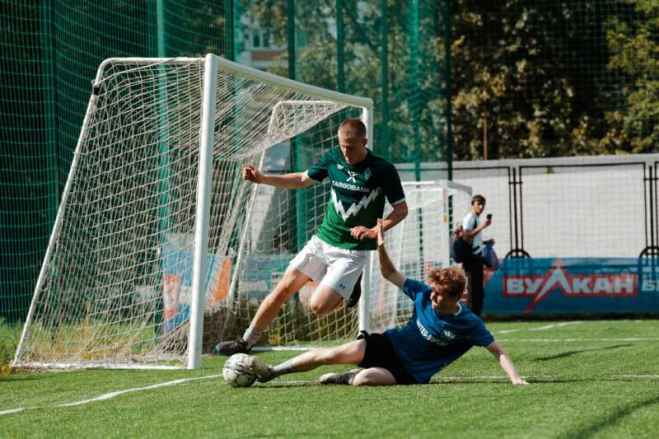
Dr. Deanna Brinks from the Mayo Clinic Health System discusses how to prevent and treat ACL injuries, offering insights for athletes and sports enthusiasts.
ACL injuries are a common concern among athletes, particularly women who engage in high-impact activities like cutting, turning, twisting, and jumping. The anterior cruciate ligament (ACL) is crucial for knee stability during such movements, but its tear can signal the end of an athlete's season. Dr. Deanna Brinks, M.D., a physical medicine and rehabilitation and sports medicine physician at the Mayo Clinic Health System in Mankato, provides valuable insights into preventing and treating these injuries.
Dr. Brinks emphasizes the importance of proper training techniques to reduce the risk of ACL tears. "Proper warm-up exercises, strengthening the muscles around the knee, and improving balance can significantly lower the chances of an ACL injury," she explains. She recommends incorporating specific exercises that focus on quadriceps and hamstring strength, as well as proprioception training, which enhances the body's ability to sense its position in space.
In addition to prevention strategies, Dr. Brinks also discusses treatment options for those who do sustain an ACL tear. "Non-surgical approaches can be effective for some patients," she says, noting that physical therapy and bracing are common initial treatments. However, surgical reconstruction may be necessary for athletes seeking a full recovery and return to their sport.
For women in particular, Dr. Brinks highlights the importance of addressing any underlying factors that might increase susceptibility to ACL injuries. "Women often have different biomechanics compared to men," she explains, "which can contribute to higher rates of ACL tears." She suggests evaluating an athlete's running mechanics and gait patterns to identify potential areas for improvement.
Ultimately, Dr. Brinks encourages a comprehensive approach to managing ACL injuries, combining prevention strategies with appropriate treatment plans tailored to individual needs. By staying informed about these issues, athletes and sports enthusiasts can better protect themselves from the debilitating effects of ACL tears.