More than 40 people died in clashes between FARC factions as tensions escalated ahead of Colombia's presidential election.
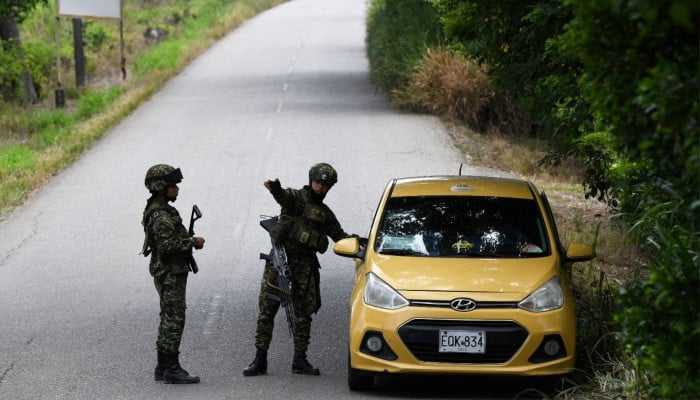
Soldiers set up a checkpoint near Jamundi, Colombia, just days before the upcoming May 31 presidential election. The security measures underscored heightened concerns over potential threats to the democratic process. However, it was not only the military presence that caught attention; reports emerged of intense fighting between two factions of the disbanded FARC guerrilla group.
The conflict erupted in a remote hamlet called Vereda Piripal, where clashes left more than 40 people dead. The violence highlighted ongoing instability and security challenges in Colombia despite efforts to achieve peace through disarmament and reintegration programs. Mayor officials in the area the fighting had severely impacted local communities, disrupting daily life and raising fears of a return to civil unrest.
As Colombians prepare to vote for their next president, these recent events have cast a shadow over the country's fragile peace process. The government has stepped up security measures across the nation, but questions remain about how effectively such efforts can mitigate the risks posed by lingering guerrilla groups and other criminal organizations vying for control in post-conflict regions.
The tragic loss of life in Vereda Piripal serves as a stark reminder that while significant progress has been made since the signing of the peace accord with FARC, challenges remain. As Colombians head to the polls, they must navigate these complex dynamics and hope for a future free from violence and conflict.