The U.S. and Iran reached an agreement to extend their 60-day ceasefire, pending approval from President Trump, amid ongoing tensions and pressure from hawkish factions in his party.
The United States and Iran have agreed on an outline for extending their ceasefire by another 60 days, according to a source familiar with the matter. However, this deal is contingent upon final approval from President Donald Trump. The agreement includes a memorandum of understanding that outlines the terms of the extension, but it remains subject to Trump's decision.
Despite repeated claims from the U.S. administration that a deal was close, Iran has often disputed or downplayed these reports. In recent days, Trump faced increased pressure from his own party’s hawks who urged him not to make any agreement without addressing Iran's nuclear program immediately. The White House declined to comment on the matter.
The fragile peace between the U.S. and Iran was further tested when both countries exchanged air strikes on Thursday. The United States claimed it shot down four Iranian attack drones and struck a ground control station in Bandar Abbas, while Iran targeted what it said were American bases responsible for an earlier attack near Bandar Abbas airport. Kuwait also reported responding to missile and drone attacks.
Meanwhile, Israel reportedly began striking civilian infrastructure in Tyre, Lebanon, claiming these strikes targeted Hezbollah infrastructure. The Lebanese army confirmed the death of one of its soldiers during this exchange, while Israel maintained that hostile aircraft infiltration had triggered sirens in its northern region.
Oil prices rebounded as a result of these events. U.S. crude futures rose by around 2.5 percent after falling 5 percent on Wednesday, while stocks declined and the dollar strengthened. The ongoing war has resulted in thousands of casualties and significantly increased global energy prices, leading to inflationary pressures and currency devaluations in some Asian countries.
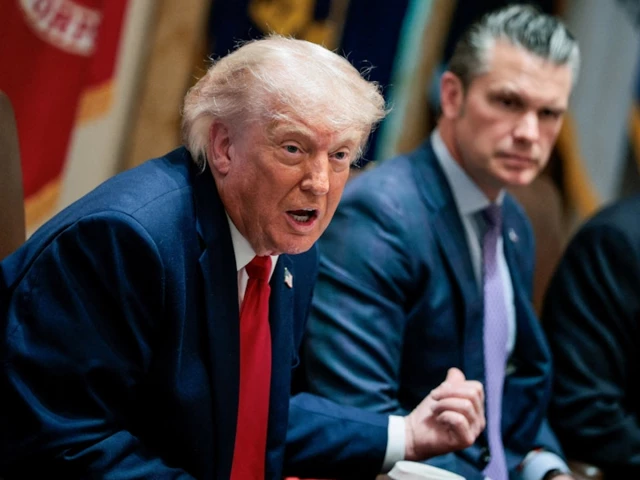
President Trump has repeatedly an end to the conflict is near but emphasized that the U.S. was not considering easing sanctions on Iran, one of Tehran's key demands. He dismissed a report from Iranian state TV about an unofficial draft agreement for restoring commercial shipping through the Strait of Hormuz within a month, with joint management by Iran and Gulf state Oman.
Trump insisted that no single country would control the waterway, stating, "Nobody's going to control (the strait), it's international waters, and Oman will behave just like everybody else or we'll have to blow them up. They understand that, they'll be fine." This statement underscored the complex geopolitical landscape surrounding the ongoing conflict.
The situation remains volatile, with both sides showing reluctance to fully commit to a lasting peace agreement without significant concessions from the other party.