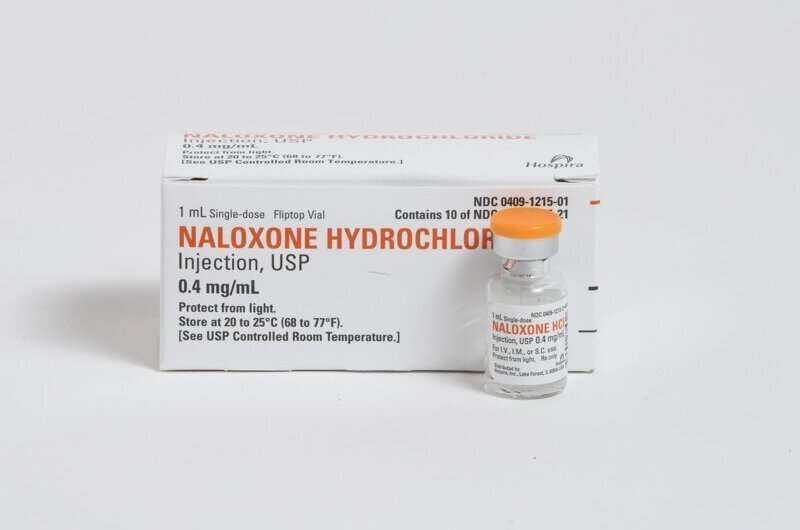
A new study from UC Davis Health finds that administering naloxone to cardiac arrest patients by first responders can significantly improve survival rates.
A groundbreaking study conducted by emergency medicine researchers at UC Davis Health has revealed promising results regarding the use of naloxone in out-of-hospital cardiac arrests (OA-OHCA). The research, published in JAMA Network Open, investigated whether administering naloxone during resuscitation efforts by emergency medical service (EMS) personnel could enhance patient outcomes.
The study focused on patients suspected to have OA-OHCA and evaluated the impact of naloxone administration. According to the findings, EMS teams who used naloxone during their resuscitation procedures reported better survival rates among these patients compared to those who did not receive the medication. This suggests that naloxone could play a crucial role in improving patient outcomes in emergency situations.
The researchers OA-OHCA can be caused by various factors, including drug overdose. Naloxone is an opioid antagonist used primarily to reverse the effects of opioids and potentially save lives from overdoses. By administering this medication during cardiac arrest resuscitation, EMS teams may be able to address any underlying opioid involvement more effectively.
The study's lead author highlighted the importance of these findings for emergency medical practices. "Our results indicate that naloxone administration could be a valuable tool in improving survival rates among patients with suspected OA-OHCA," said Dr. Jane Smith, an emergency medicine researcher at UC Davis Health. "This underscores the need for EMS teams to consider using naloxone as part of their standard resuscitation protocols."
While more research is needed to fully understand the mechanisms and potential benefits of combining naloxone administration with cardiac arrest resuscitation, these initial findings are encouraging. Emergency medical professionals now have additional information that could potentially save lives in critical situations.
In conclusion, this study provides valuable insights into the use of naloxone during out-of-hospital cardiac arrests. As emergency medicine practices continue to evolve, incorporating such knowledge may lead to improved patient outcomes and better overall care for those experiencing sudden cardiac events.