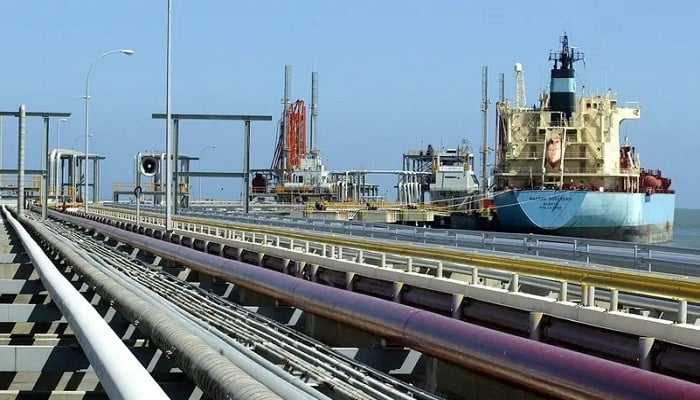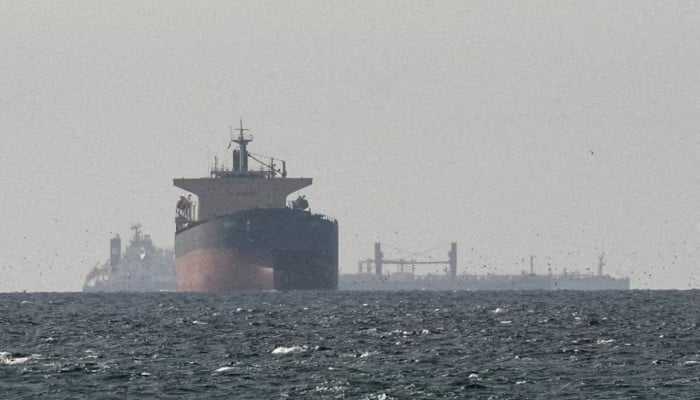
The ongoing US-Israeli war on Iran has resulted in significant financial losses for global companies, with estimates suggesting a total bill of around $25 billion. This substantial cost is primarily attributed to the disruption of trade and shipping routes, particularly in the Gulf region. The Strait of Hormuz, a critical waterway connecting the Gulf to the Arabian Sea, has been significantly impacted, affecting the transportation of goods and commodities.
As a result, cargo ships have been forced to take longer routes, incurring additional costs and reducing their overall efficiency. The increased risk of attacks on ships and the subsequent rise in insurance premiums have further exacerbated the financial burden on companies. The global economy is also feeling the effects of the conflict, with trade and investment flows being severely impacted. The situation is being closely monitored by businesses and governments alike, as the potential for further escalation and increased costs remains a significant concern.
The conflict has also led to a surge in oil prices, as the region is a major producer of crude oil. This has had a ripple effect on the global economy, with companies that rely heavily on oil and gas facing significant increases in their operational costs. The impact of the war on Iran is being felt across various industries, from manufacturing and logistics to finance and energy. As the situation continues to unfold, companies are bracing themselves for potential further disruptions and increased costs.
The international community is calling for a peaceful resolution to the conflict, as the humanitarian and economic costs continue to mount. The United Nations and other global organizations are working to facilitate dialogue and negotiations between the parties involved, in an effort to find a lasting solution to the crisis. As the situation remains volatile, companies are adopting a wait-and-see approach, hoping that a peaceful resolution can be reached soon and the costs of the war can be mitigated. The ongoing conflict has significant implications for global trade and economic stability, and its resolution is crucial for the well-being of businesses and communities around the world.