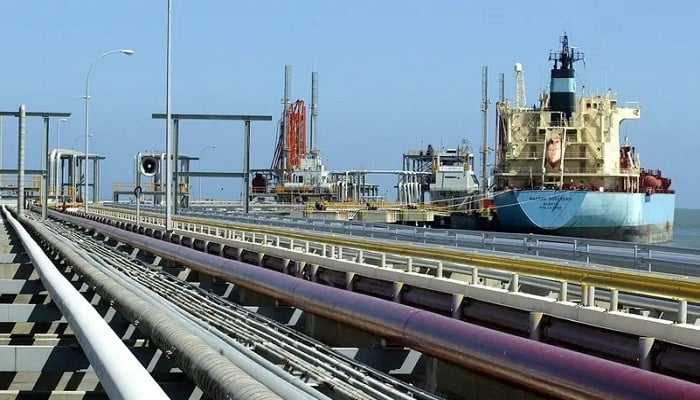
Oil prices spike after drone strikes in the Middle East escalate supply fears, impacting global markets.
Oil prices surged sharply following recent drone attacks in the Middle East, raising concerns about potential disruptions to oil supplies from key regions. Analysts warn that declining inventories could exacerbate price volatility and lead to higher fuel costs for consumers worldwide.
The latest escalation comes amid ongoing tensions in the region, with multiple strikes reported targeting military installations and critical infrastructure. These incidents have sent shockwaves through global energy markets, causing a ripple effect on financial indices and commodity prices.
In response to the heightened security risks, investors are increasingly turning their attention towards potential supply disruptions. The Organization of the Petroleum Exporting Countries (OPEC) has expressed concern over any significant reduction in production levels from affected areas, which could further tighten already strained global oil markets.
The impact extends beyond crude oil as other energy sectors feel the strain. Natural gas prices have also seen upward pressure due to concerns about reduced pipeline capacity and potential supply chain disruptions. This ripple effect is being felt across various industries, including manufacturing and transportation.
As investors brace for a volatile trading environment, major stock indices are showing signs of weakness. The Nikkei 225 index in Japan fell sharply on Monday, with S&P futures also experiencing declines ahead of key earnings reports from tech giants like Nvidia. These developments underscore the interconnected nature of global markets and the far-reaching implications of geopolitical events.
The situation underscores the delicate balance between economic growth and energy security. As countries around the world grapple with rising inflation rates and supply chain challenges, policymakers are under increasing pressure to find sustainable solutions that can mitigate these risks while fostering long-term stability in key sectors such as oil and gas.
As the dust settles on recent events, continued monitoring of regional developments will be crucial for assessing the full extent of potential impacts. The global community must remain vigilant and prepared to adapt swiftly to any further shocks or changes in supply dynamics.